What Is on the Truck
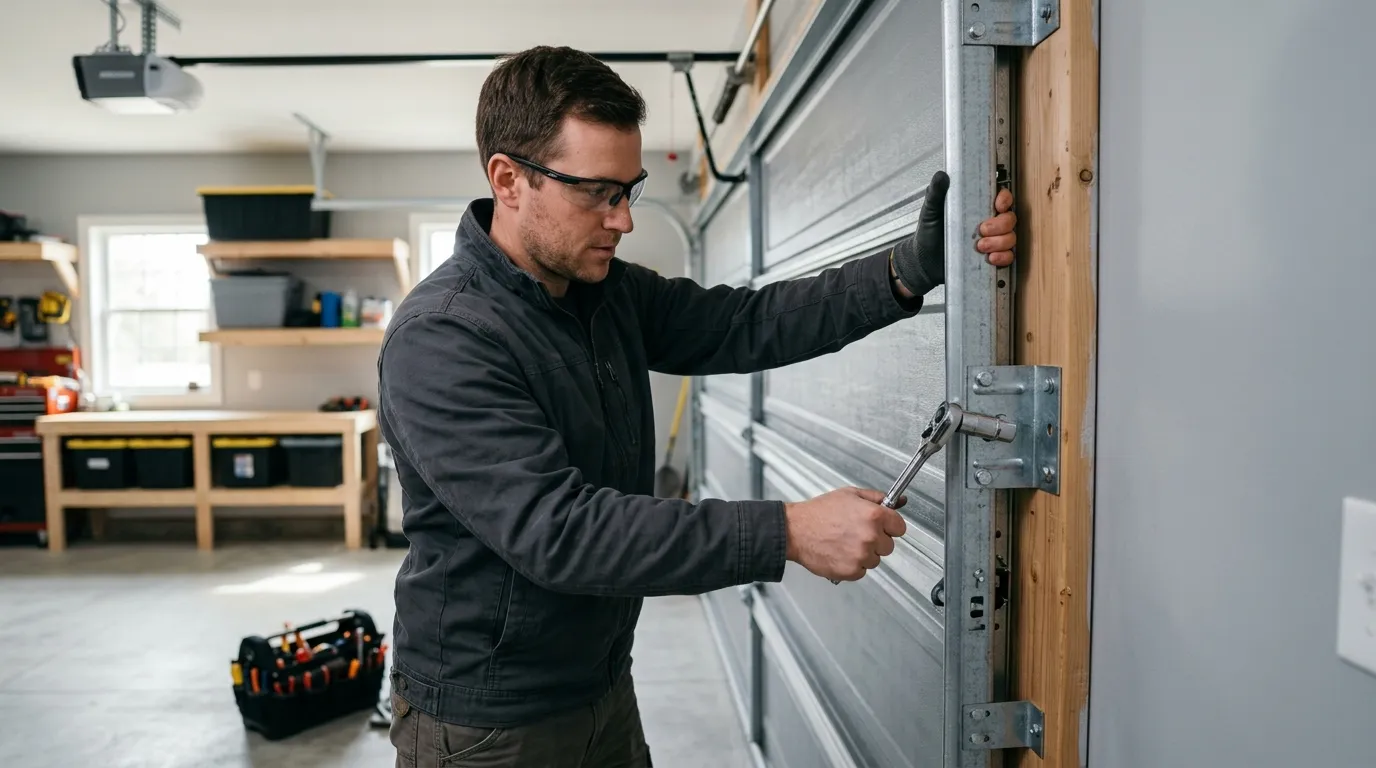
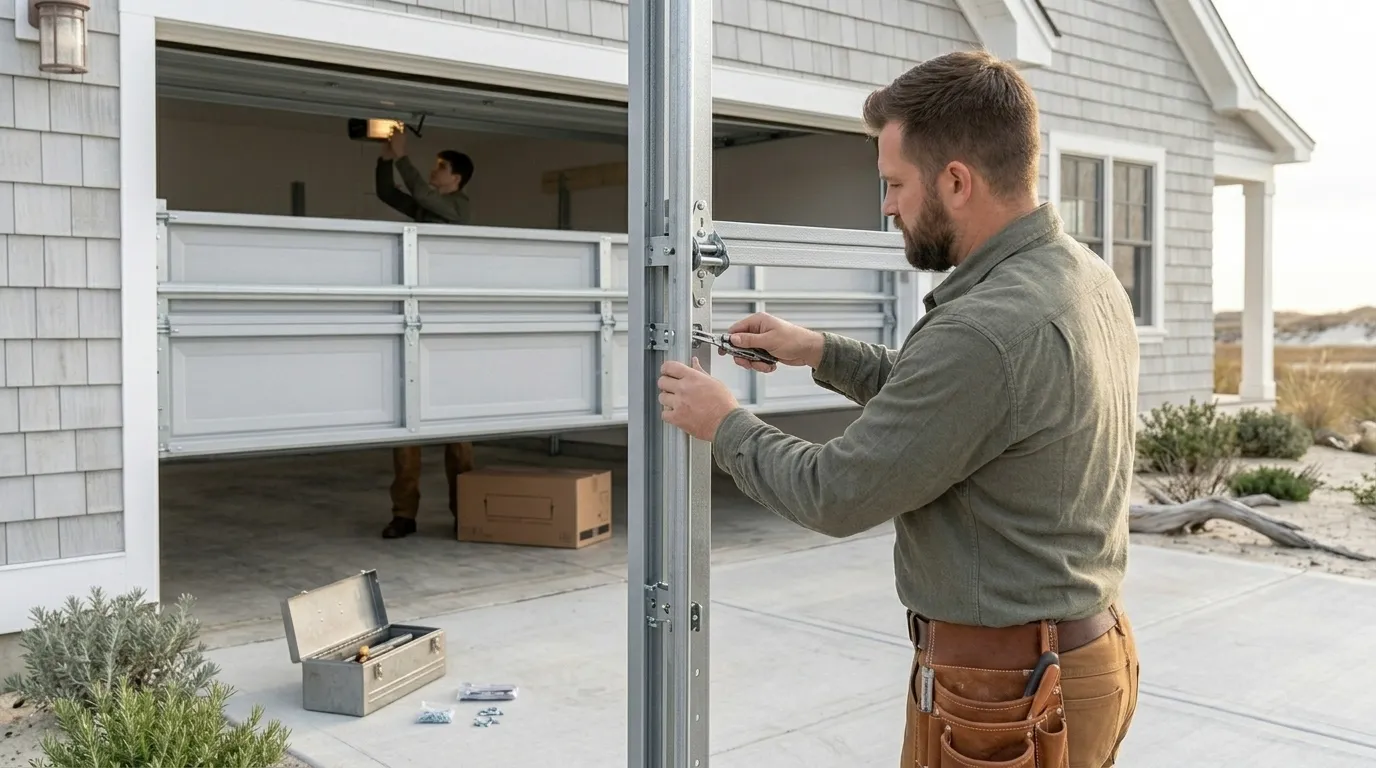
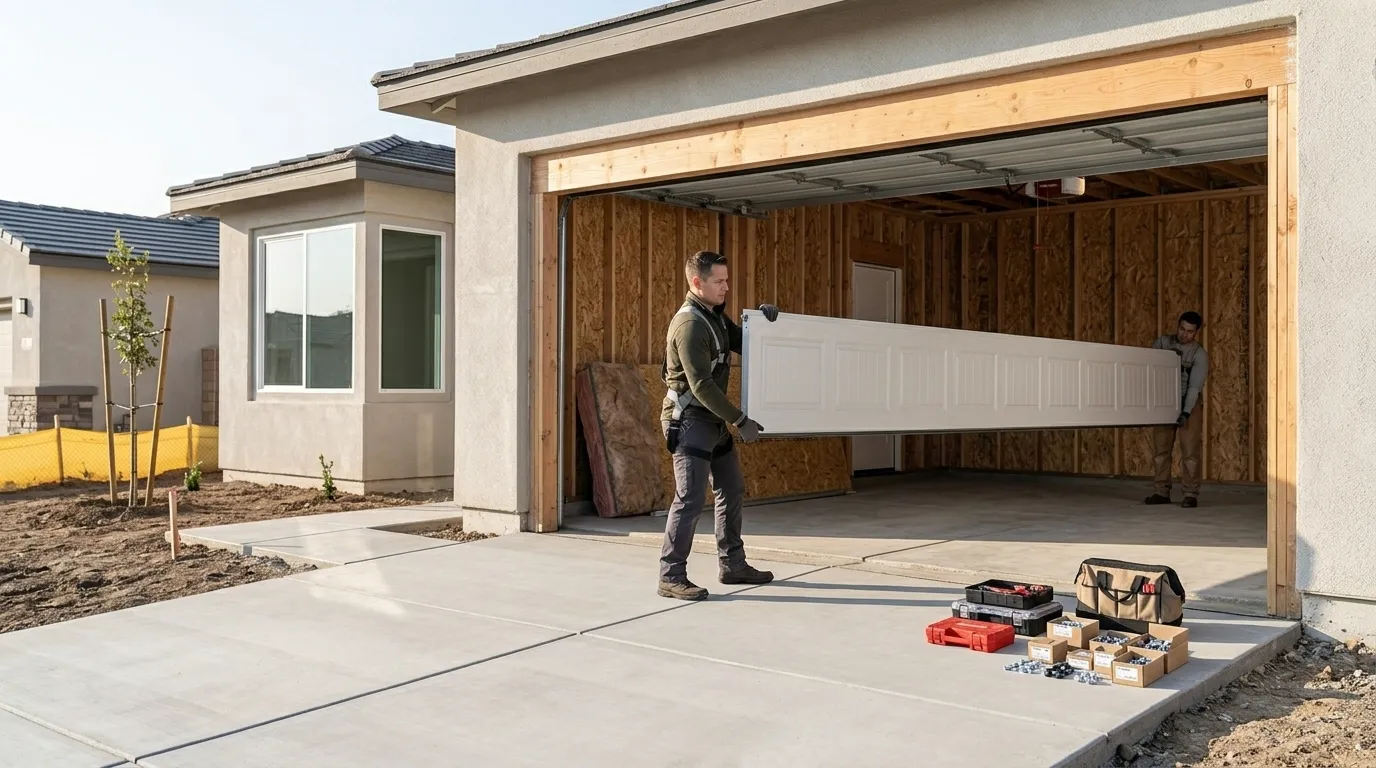
For a mid-1990s-and-newer steel sectional door - the kind that dominates Fitchburg - we carry common panel widths in 8, 9, and 16-foot runs, along with the end caps, hinges, and rollers that panel swap work usually needs. What we don't carry is every discontinued panel style. If a house here still has an original door from the earlier end of that build window, the exact embossing pattern or panel height might not be a current stock item, and that can mean a short order lead time instead of a same-visit fix. We'd rather tell you that on the phone than show up and improvise with a mismatched panel that throws off the whole door's look and balance. Steel is what we mostly work with in this climate - it holds up better against the cold-weather expansion and contraction than older wood sections do, and it's what most Fitchburg garages already have.
How It Shows Up
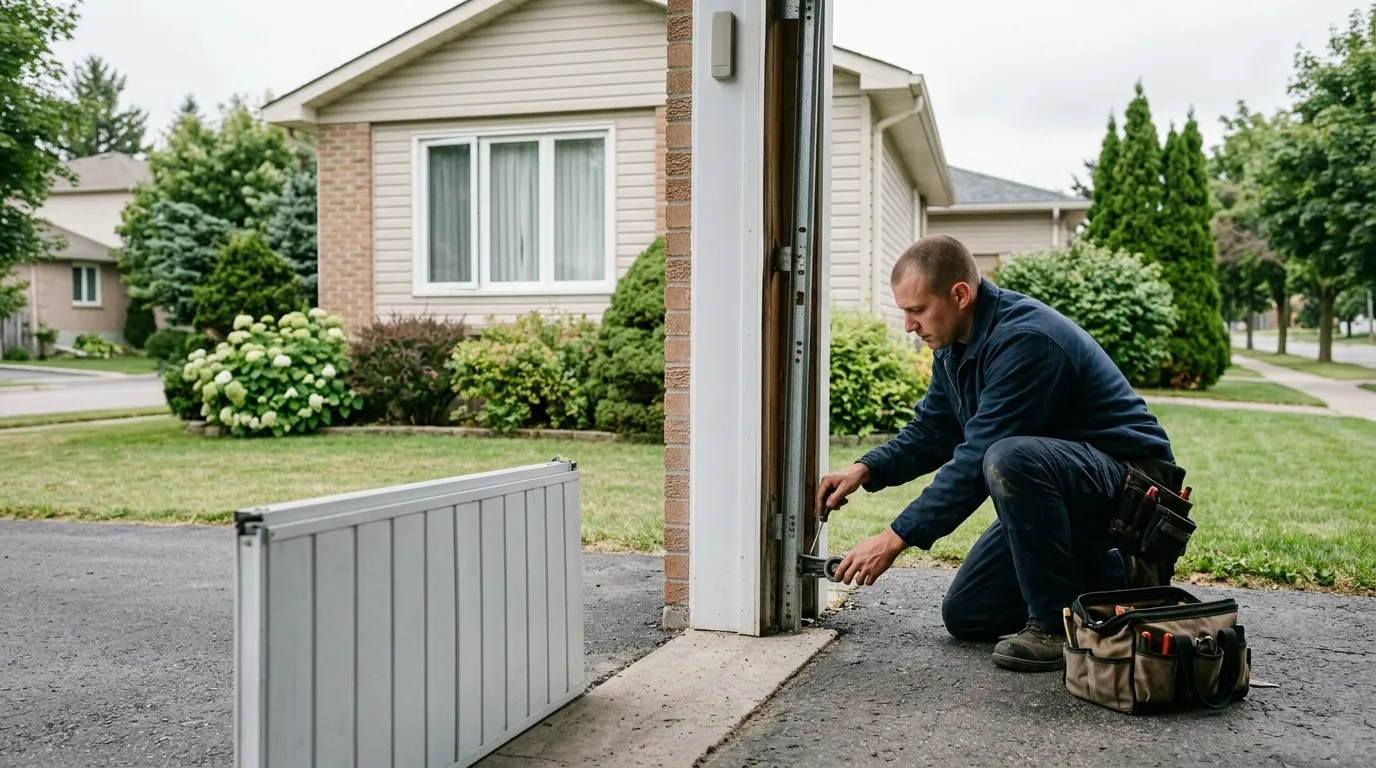
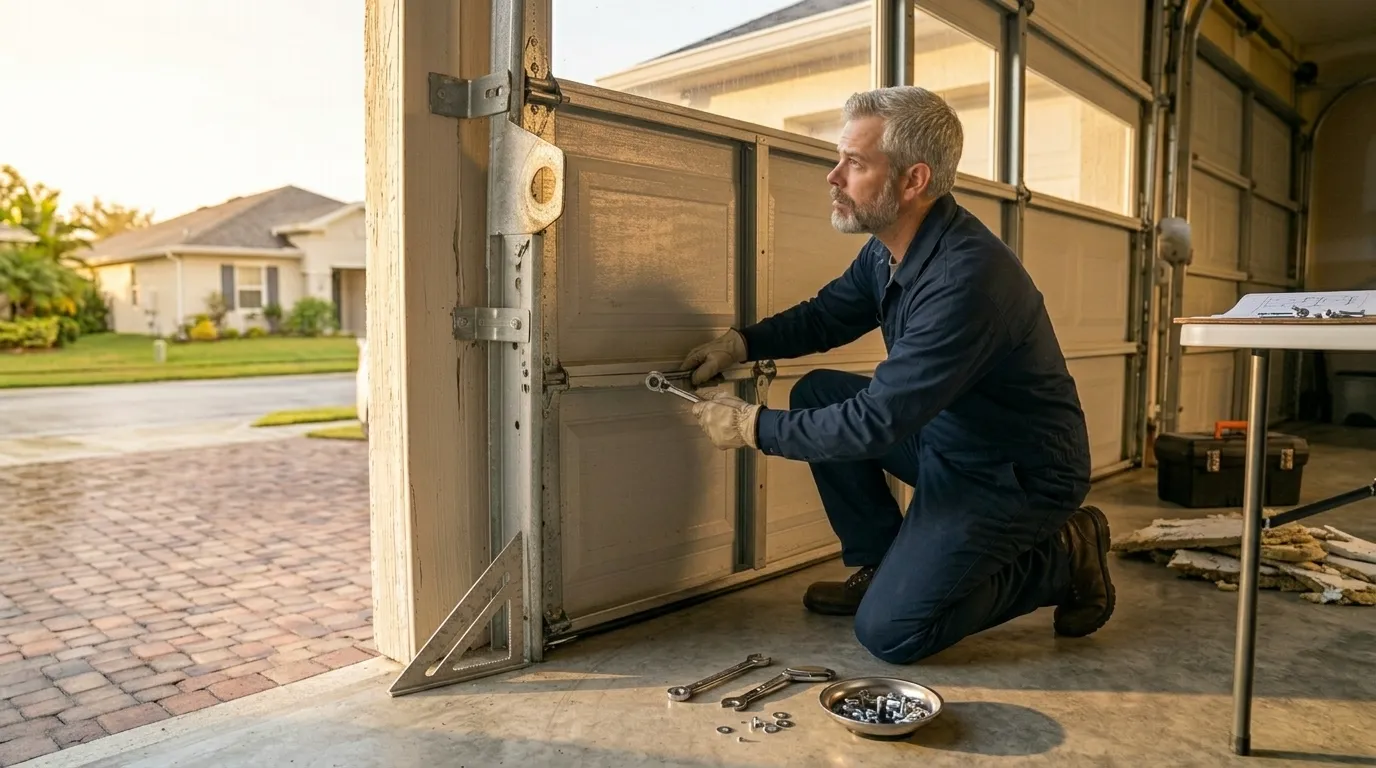
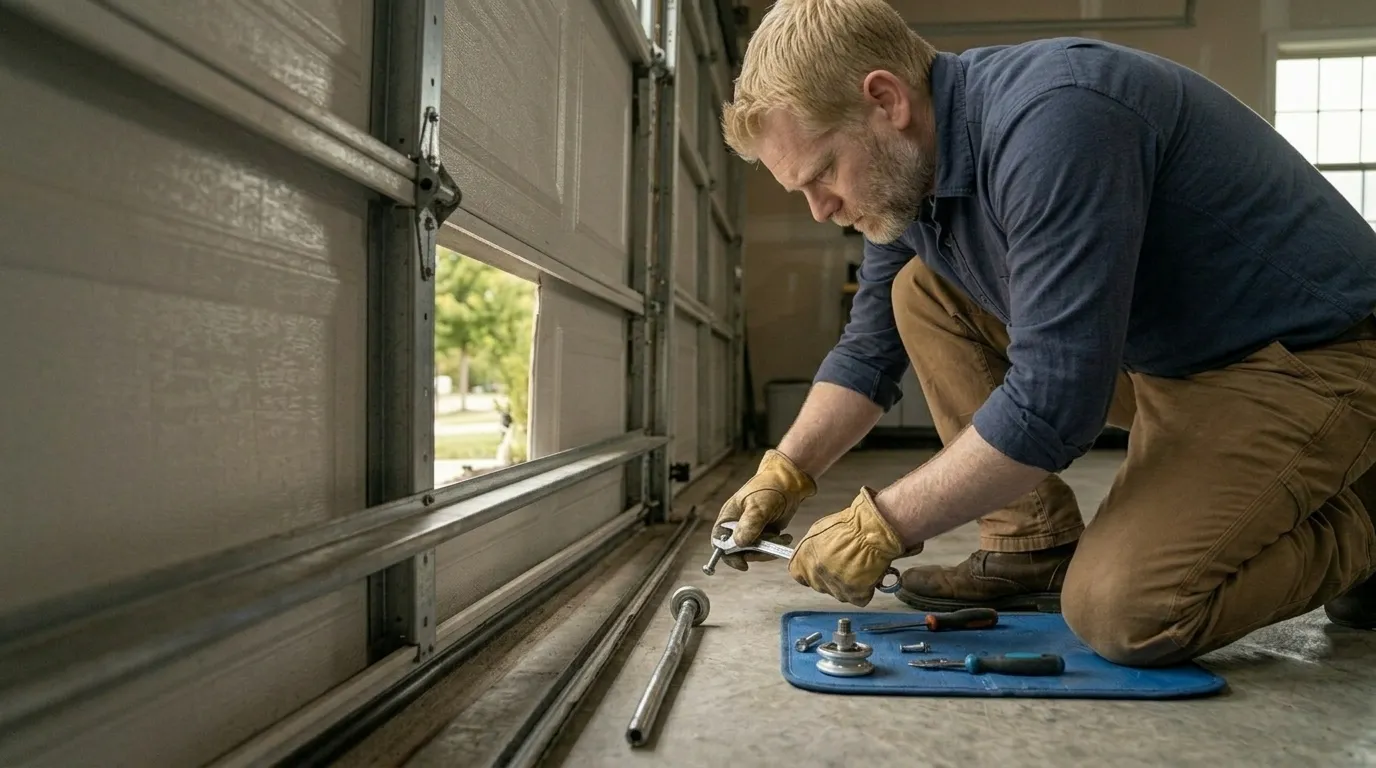
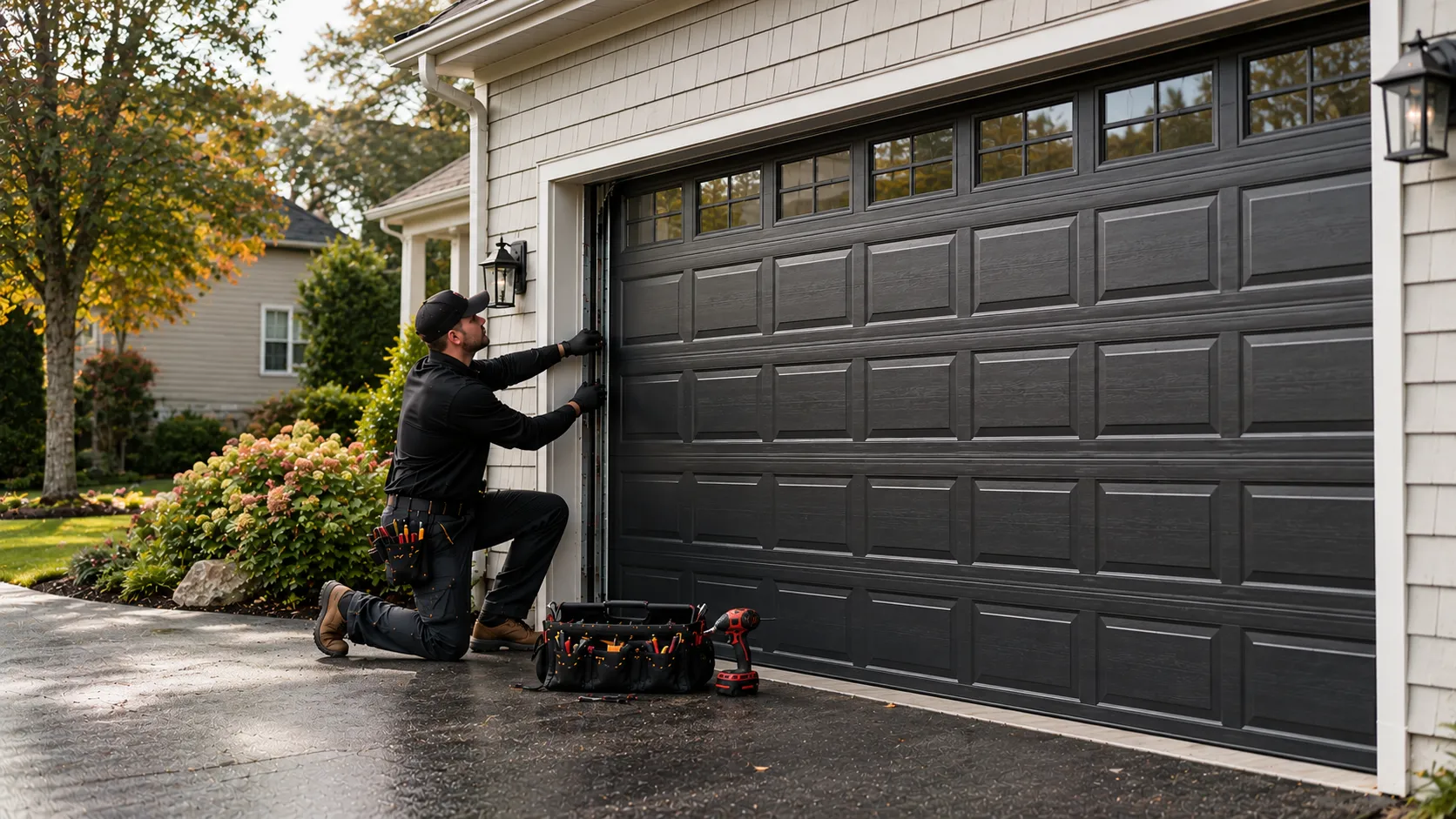
A damaged panel on a Fitchburg door usually shows up as one of two things: a dent or crack from an impact - a car bumper, a dropped ladder, a stray hockey puck - or a bottom section that's rusted or buckled from years of snowmelt sitting against it. Because most homes here were built in the 1990s, we're seeing doors that are 25 to 30 years old now, which is right around when the bottom panel's steel starts to fatigue even without a direct hit. You'll notice it as a door that doesn't sit flush when closed, a visible bow in one section, or a panel seam that's separating slightly at the joint. None of that is a spring or opener problem - it's the panel itself, and swapping just that section is almost always cheaper than replacing the whole door.
Time on the Job
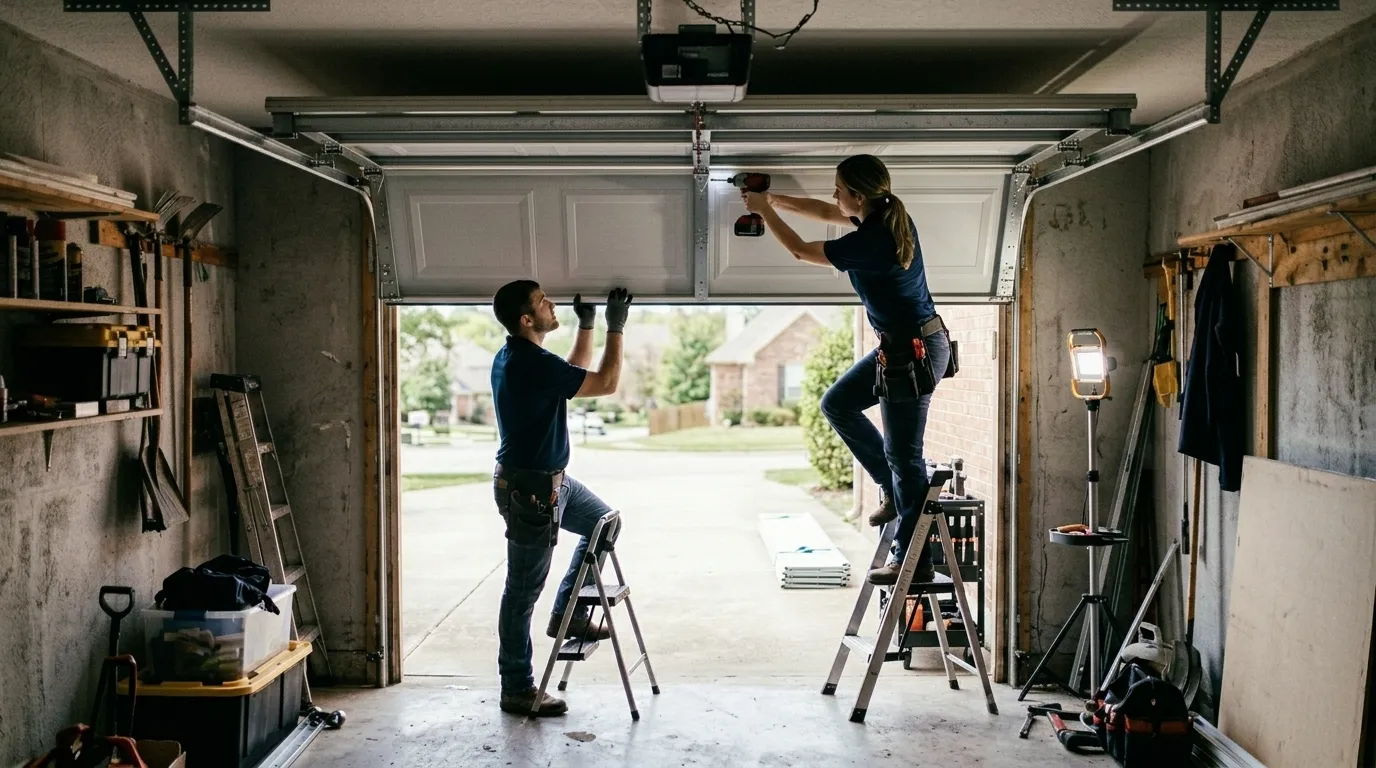
A single panel swap on a standard steel sectional door, once the part is on hand, is usually a job we finish in one visit. Multi-panel jobs or doors where we have to pull and reset the whole section stack for alignment take longer. The variable in Fitchburg isn't really the labor - it's whether the panel is a current stock size or something we have to order because the door predates the newer profiles now common in the area's housing. We'll tell you which situation you're in before we schedule, not after we've already made the trip.
The Cost of This Job
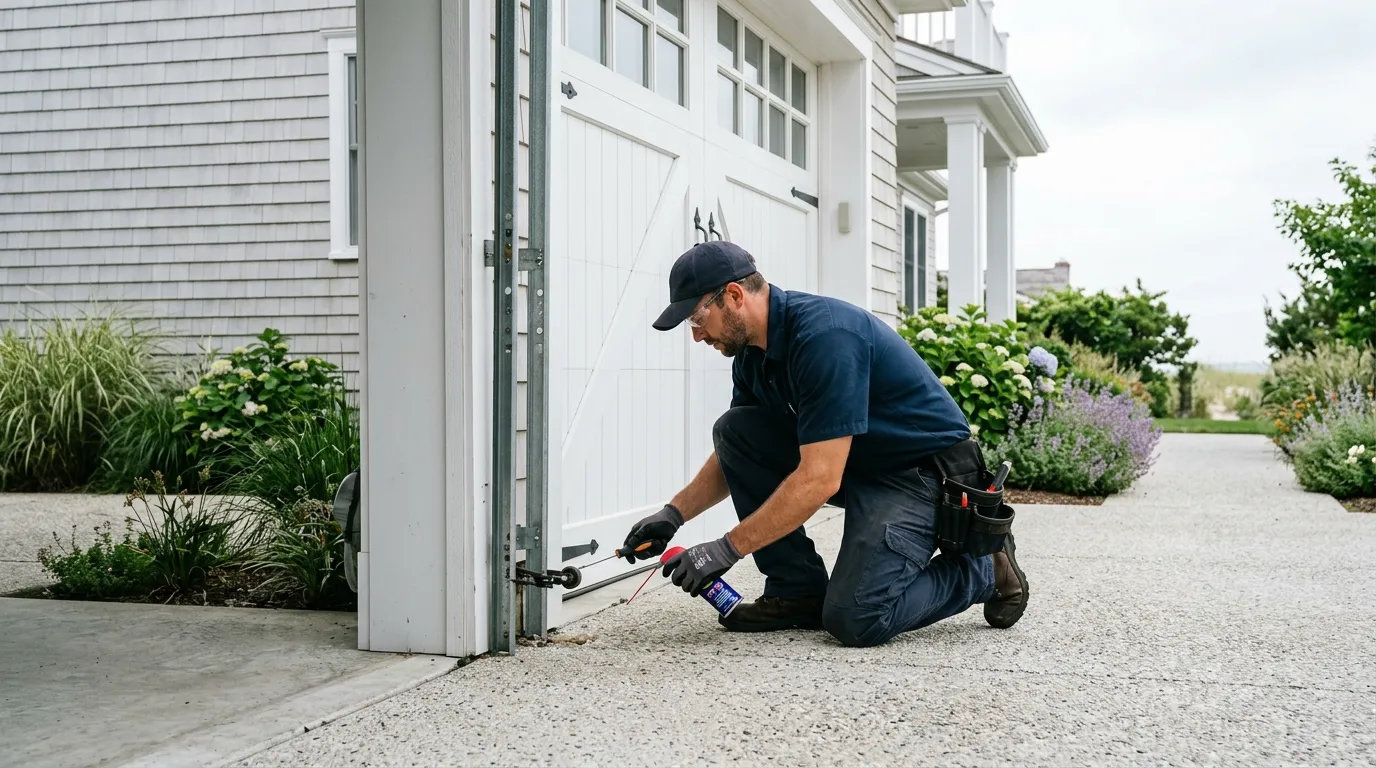
We don't quote a number here without seeing the door - panel cost depends on width, insulation, whether it's a top, middle, or bottom section, and whether the color needs to match an existing door that's faded over the years. What we can say is that a panel swap on a standard door is consistently less than full door replacement, and for a house built in the 1990s with a door that's otherwise in good shape, it's usually the right call. If the door has multiple damaged panels, rust through the bottom section, or an opener that's already struggling, we'll tell you honestly when a full replacement is the better spend instead of patching a door that's on its way out anyway.