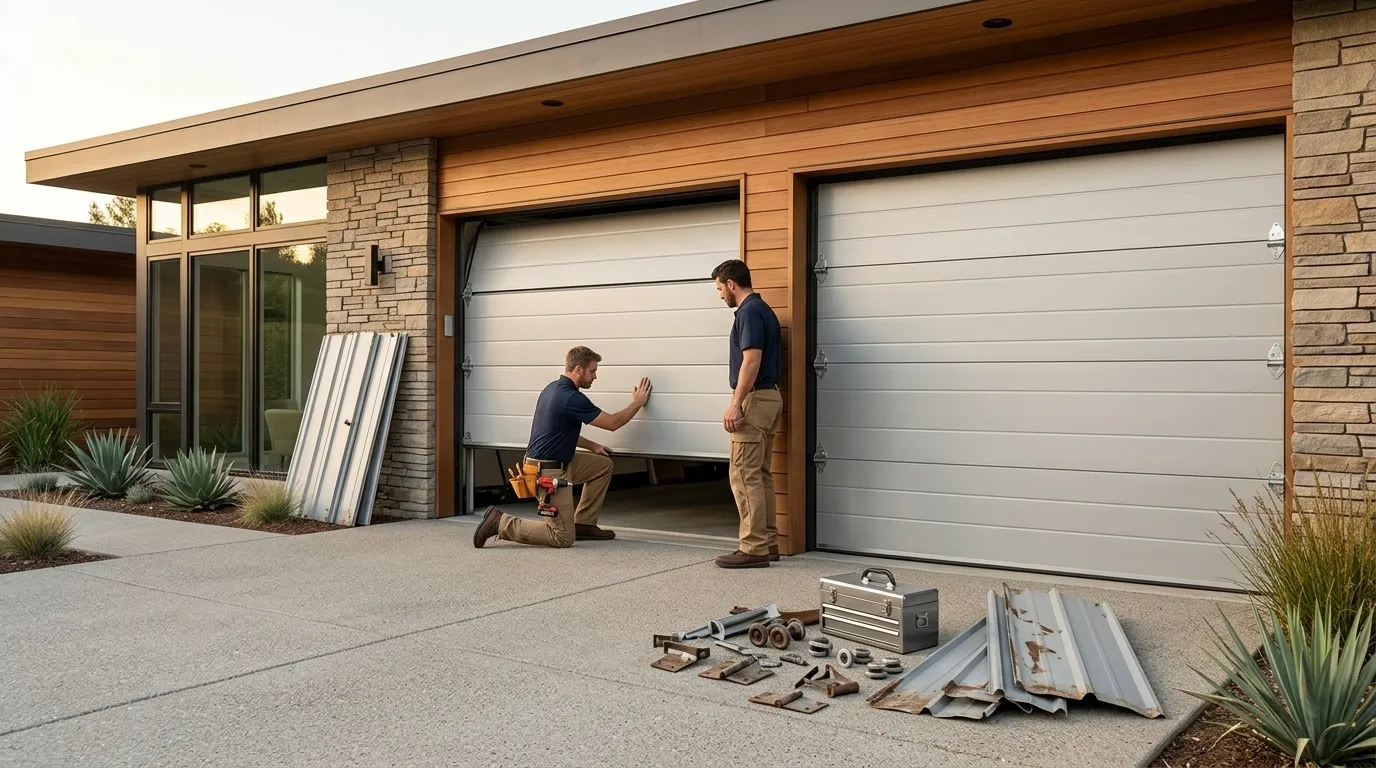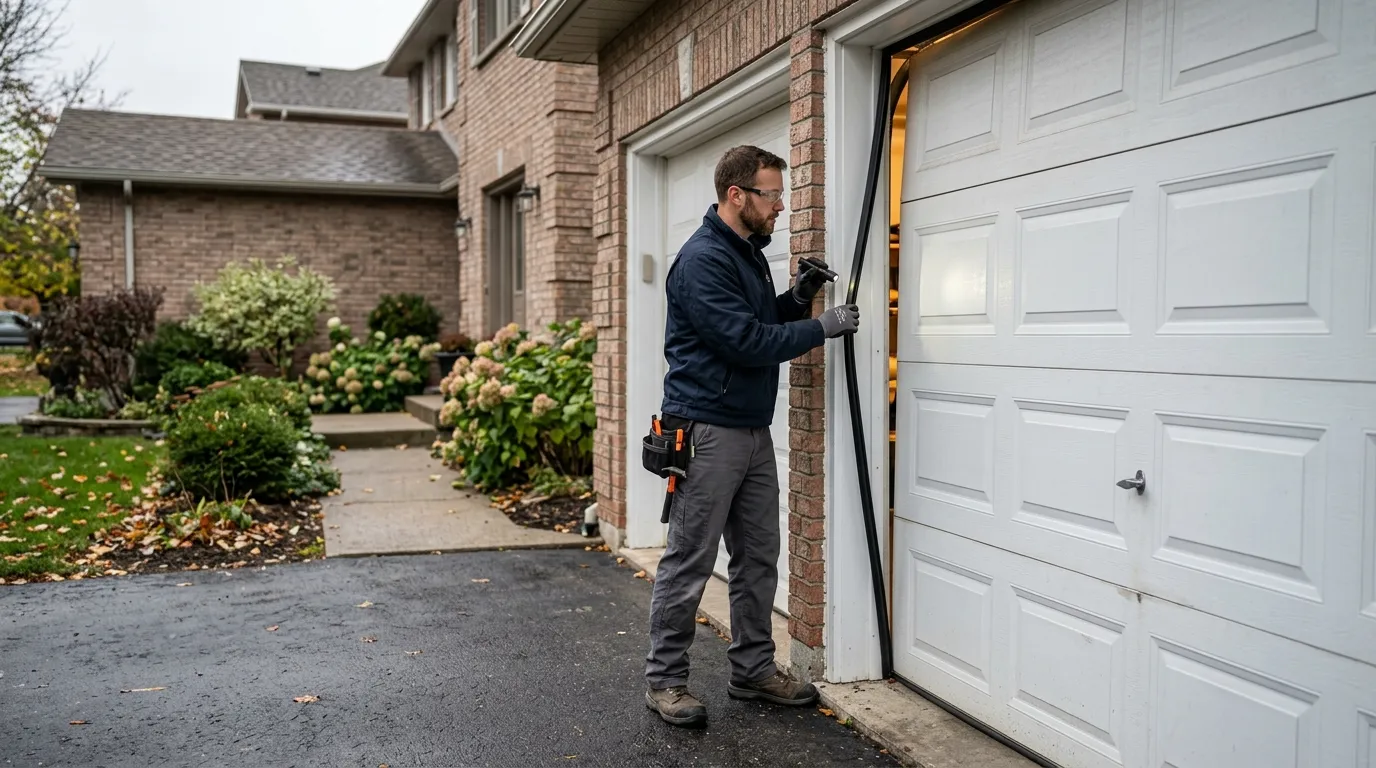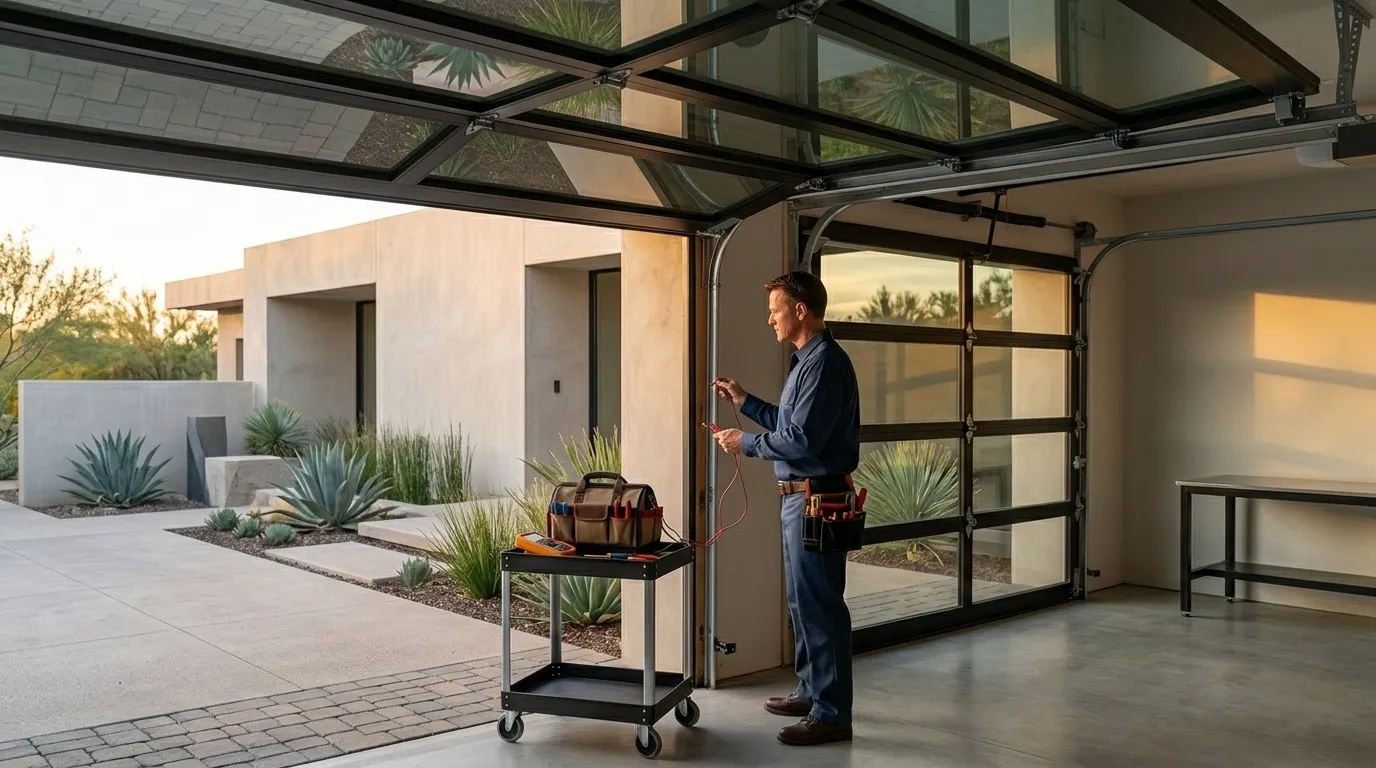
The Cost of This Job
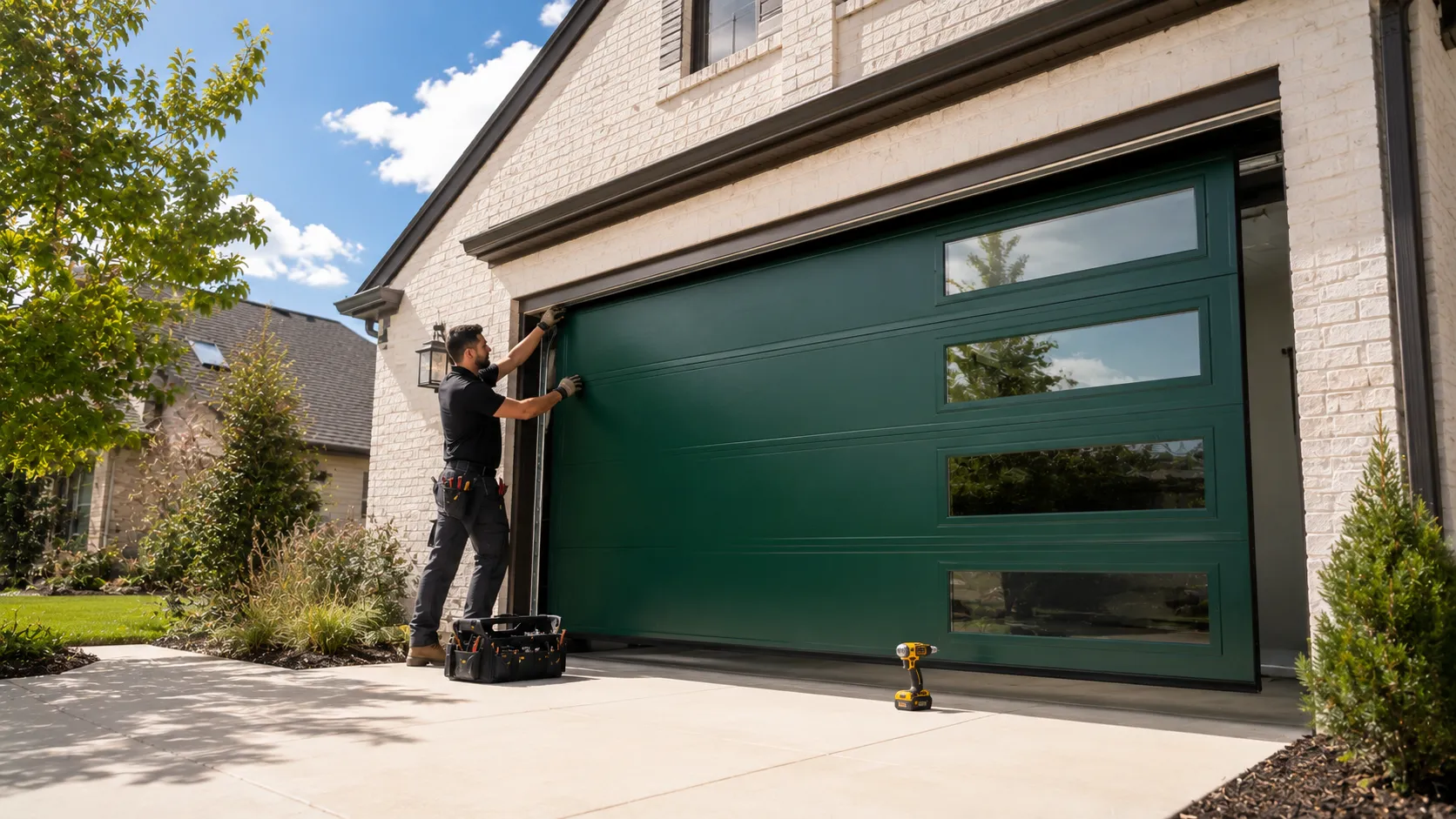
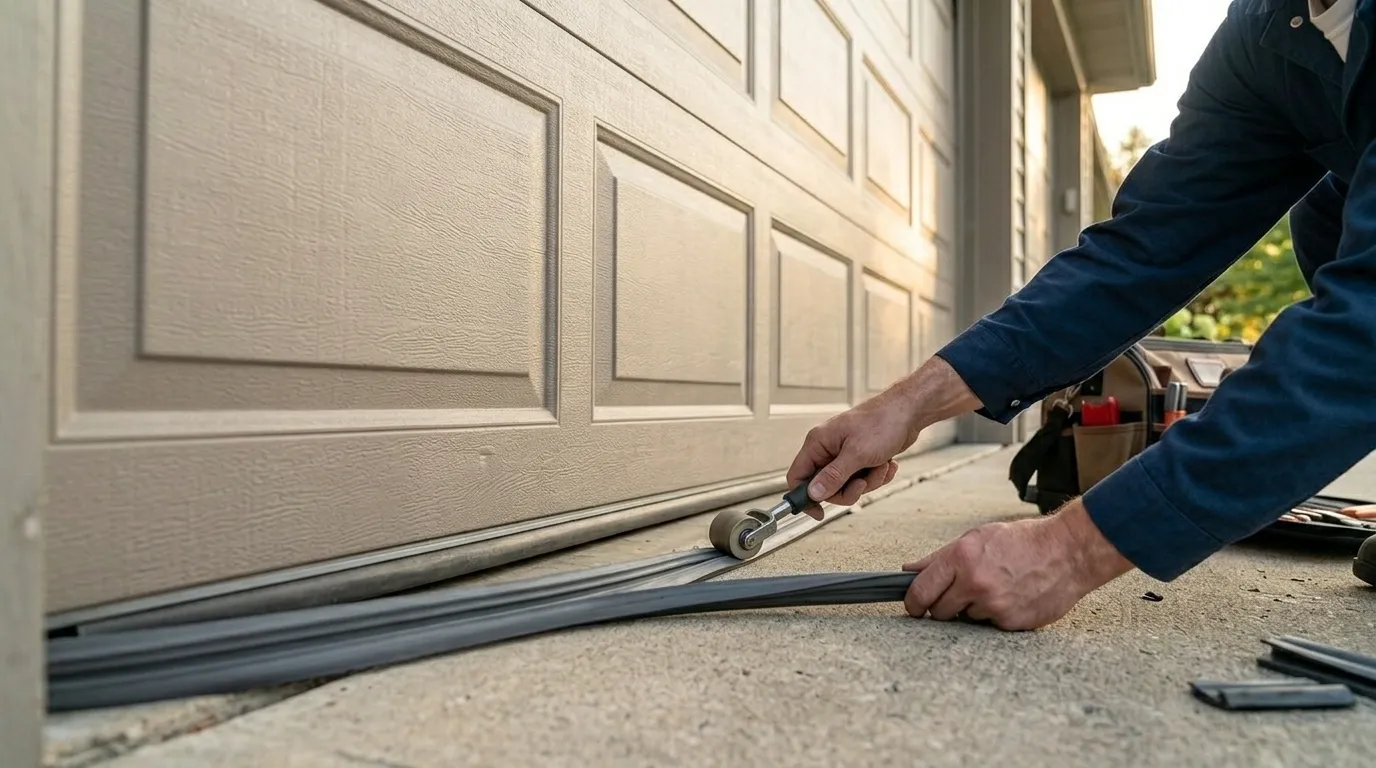
We don't publish a flat number for a Waunakee install because door width, insulation level, and opener choice move the price more than location does. What we can tell you is where the repair-versus-replace line tends to fall for households at Waunakee's income level: when a spring, opener, and a couple of panels are all aging out within a year or two of each other, most owners here choose to replace rather than nickel-and-dime the repairs one at a time. That's a household budget decision, not a sales pitch - we'll quote the repair straight if that's what the door needs.
Because Waunakee's housing is newer than a lot of what we see elsewhere in the area - median build year is 1997 - we're rarely dealing with the retrofit costs that come with resizing an opening or replacing rotted jamb wood. That keeps labor time down. The honest limitation: if you want a specific number before we've measured your opening and looked at your header, we won't make one up. Book a visit and we'll give you a real quote on site.
Why It Happens Here
Waunakee sits about 7 miles from Madison, close enough that we're out there often, but the town's housing tells a different story than a lot of what surrounds it. Median build year here is 1997, noticeably newer than the wider service area's 1962-2001 range with its 1986 median. That later build date means fewer of the original steel doors from the first energy-crisis wave of insulated doors, and more openers and springs that are simply reaching the end of a normal 20-to-25-year service life around now, all at roughly the same time across the subdivisions that went up together.
Wisconsin's cold winters play a role too. In a moderate-cold climate band, steel doors without a thermal break let a garage swing 20-30 degrees colder than the house on a hard January night, and older single-layer doors in Waunakee's newer builds are starting to show that in the form of warped panels and stiff rollers. It's less about age catching up all at once and more about a whole wave of doors from the same building boom wearing out on a similar timeline.
Booking a Visit
We run out to Waunakee from Madison, about 7 miles away, so we're not a local branch - we're a crew that drives the route regularly. When you book, we'll ask for the rough door size, your opener situation if you have one, and whether you're replacing like-for-like or changing size or style. That lets us load the right stock sections and springs before we leave.
See the Waunakee service area page for what else we cover out that way, and the Madison installation page if you want the full rundown on how we handle new door installs across the wider area.
What Can Go Wrong
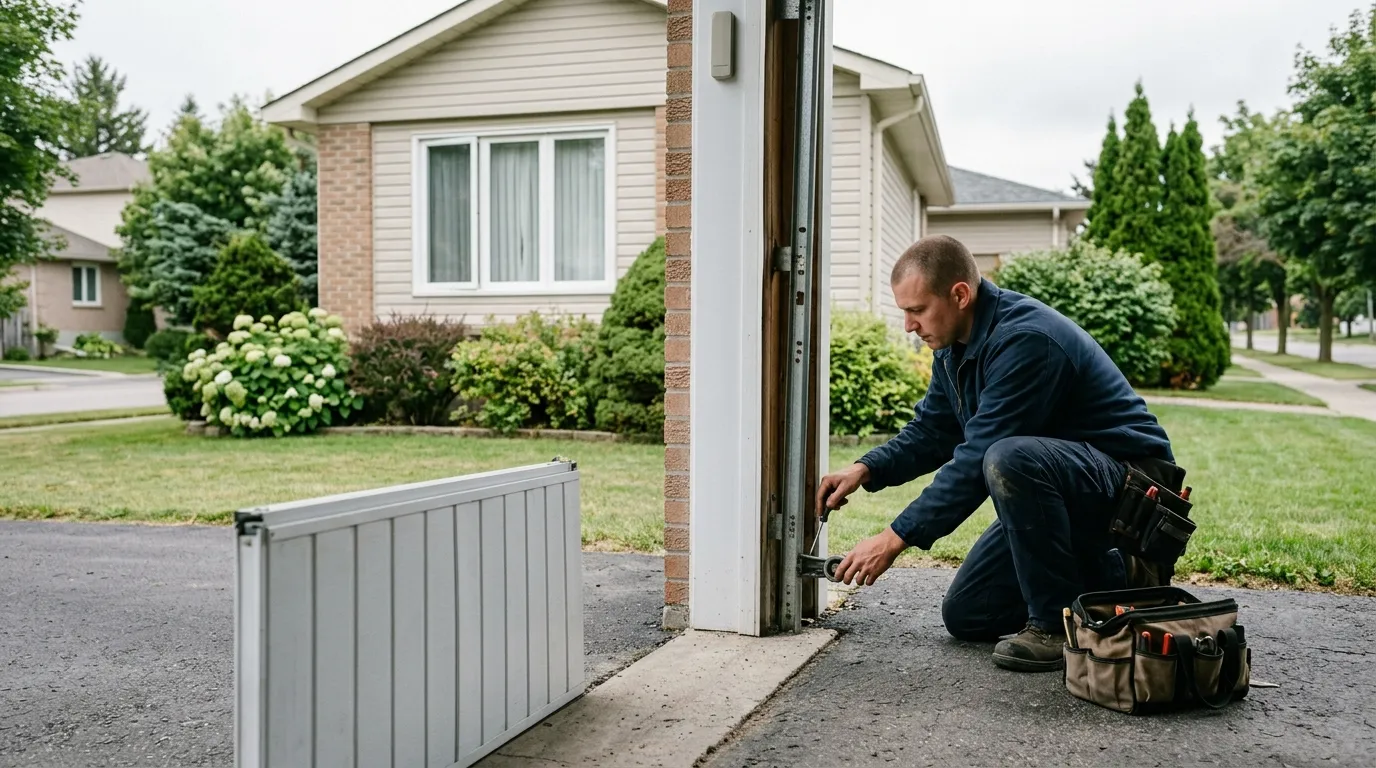
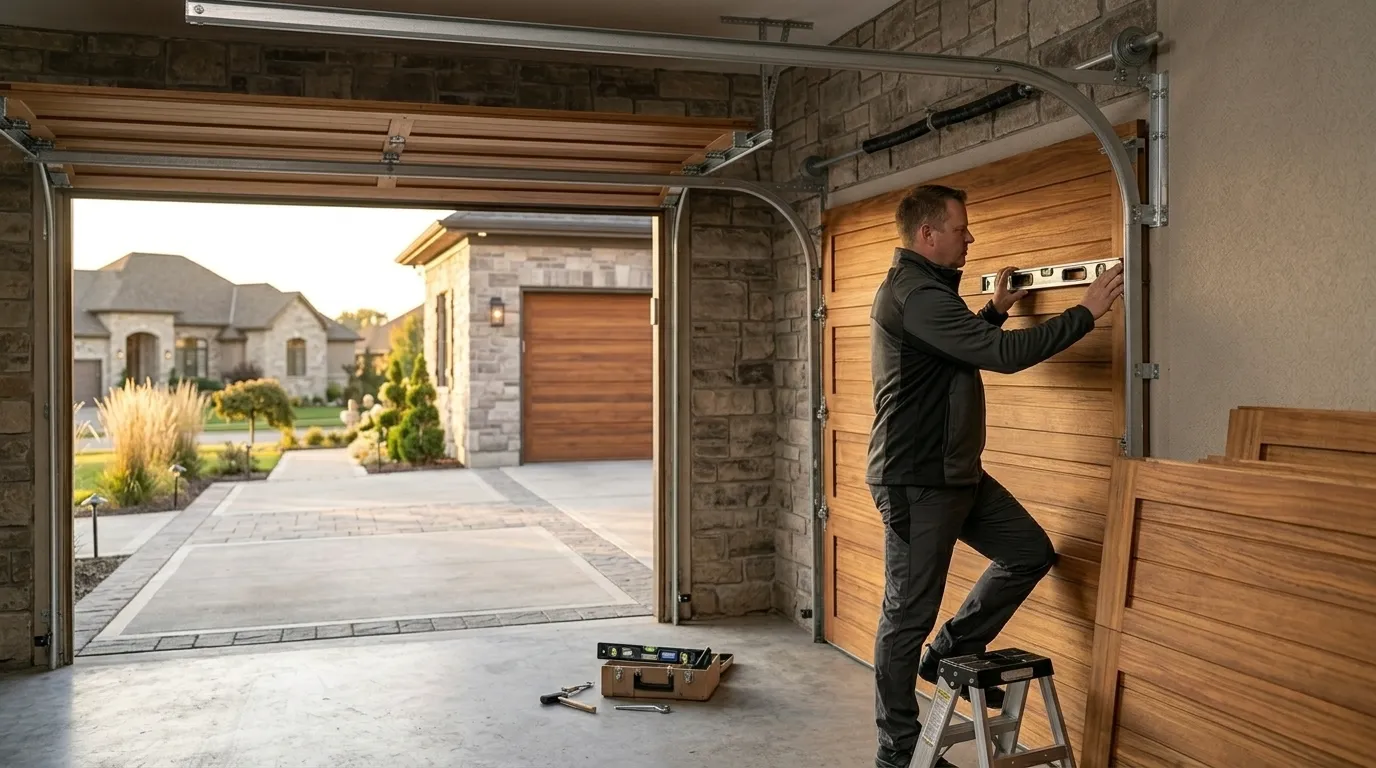
The most common surprise on a Waunakee install isn't the door - it's the opener bracket. Houses built in the late 1980s and 1990s sometimes have a header that was framed for a lighter, older door and wasn't reinforced for a heavier insulated section or a beefier opener. We catch that at measurement, not after the door's already on the truck bound for your driveway.
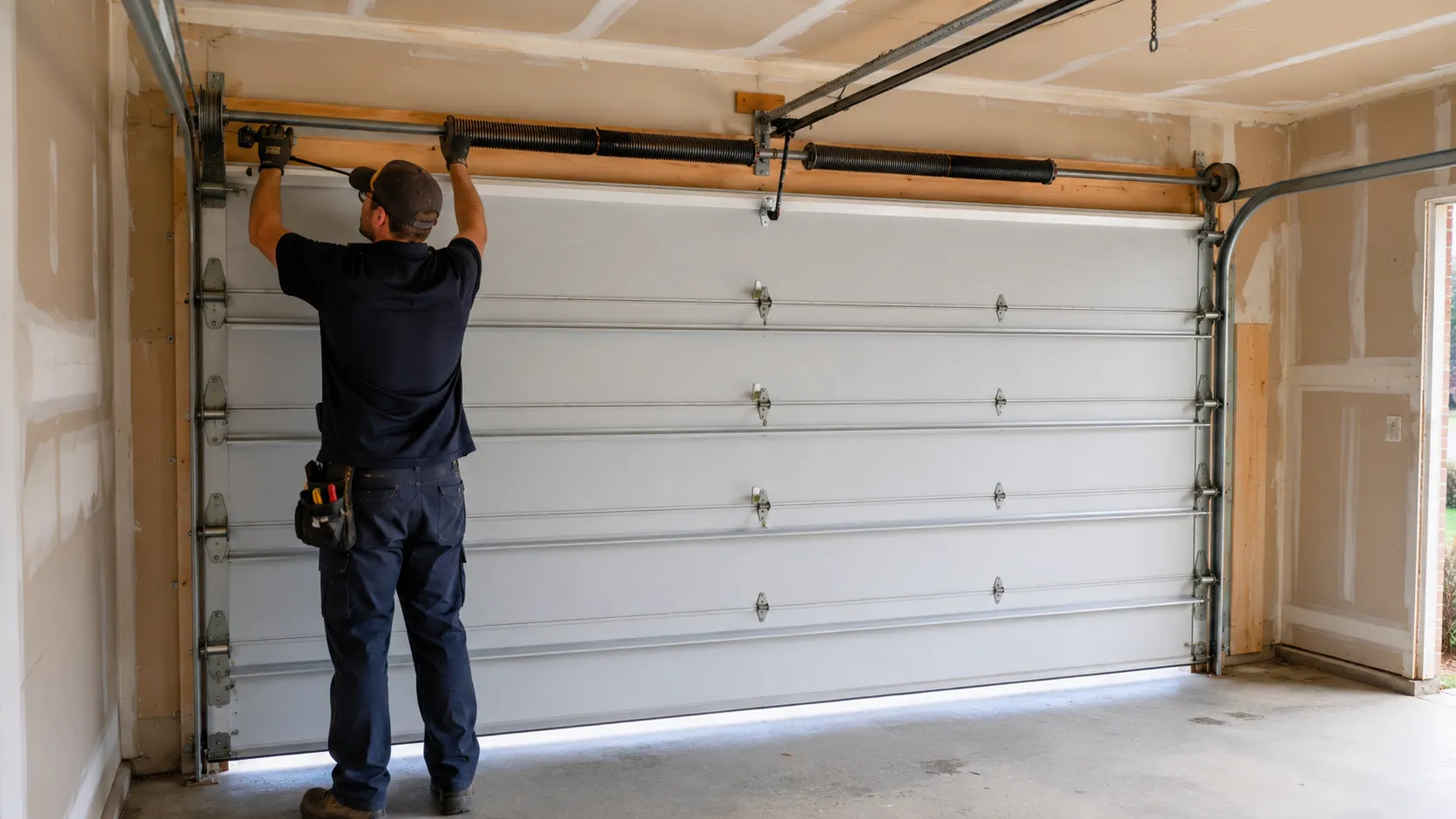
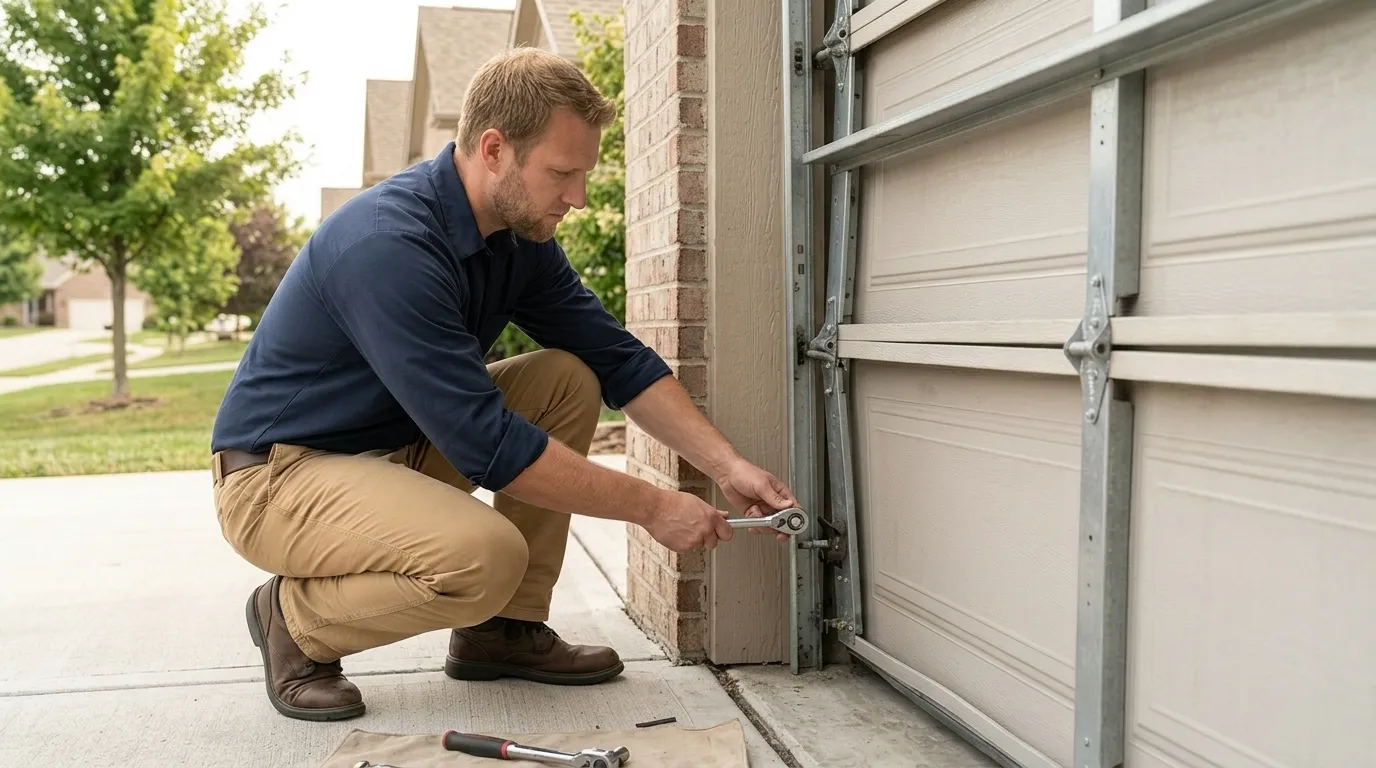
Cold-weather installs bring their own small headaches: torsion spring tension can read slightly different in sub-freezing temperatures than it does in a heated shop, so we always do a final adjustment on site rather than trusting a factory setting. The honest limitation here: if your opening is out of square by more than a small margin, or your slab has heaved, that's a carpentry or concrete problem we'll flag but won't fix ourselves - better to know that before install day than after.