What Can Go Wrong
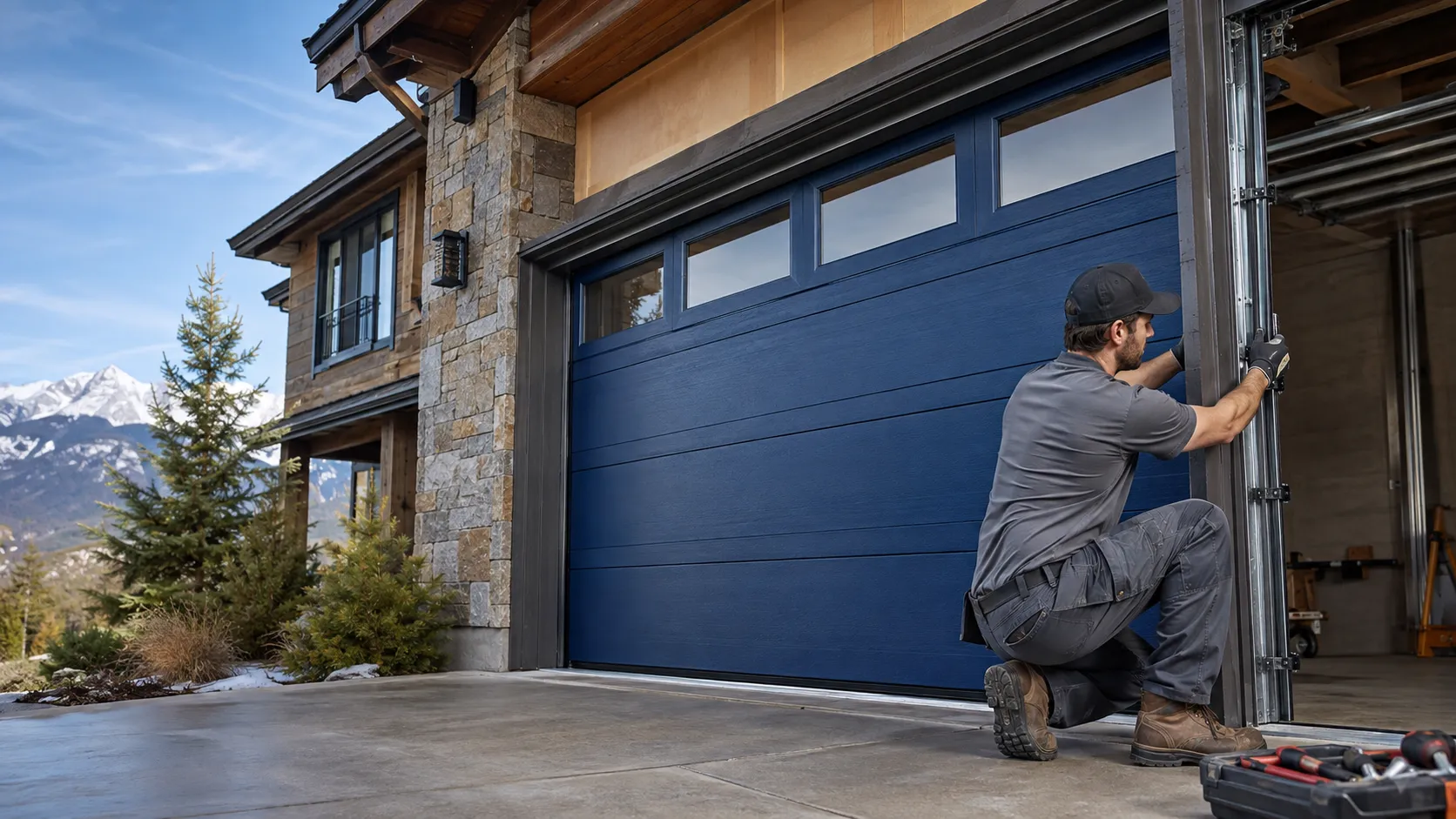
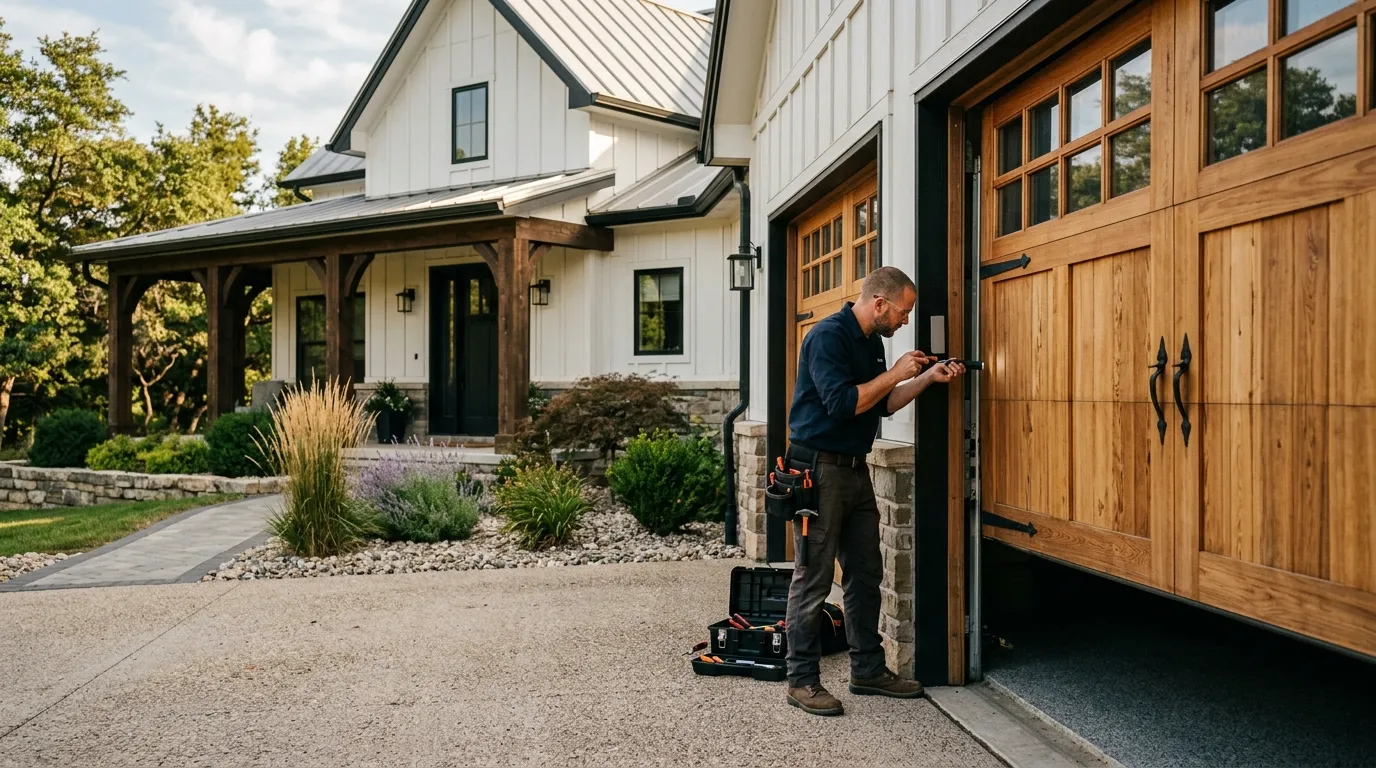
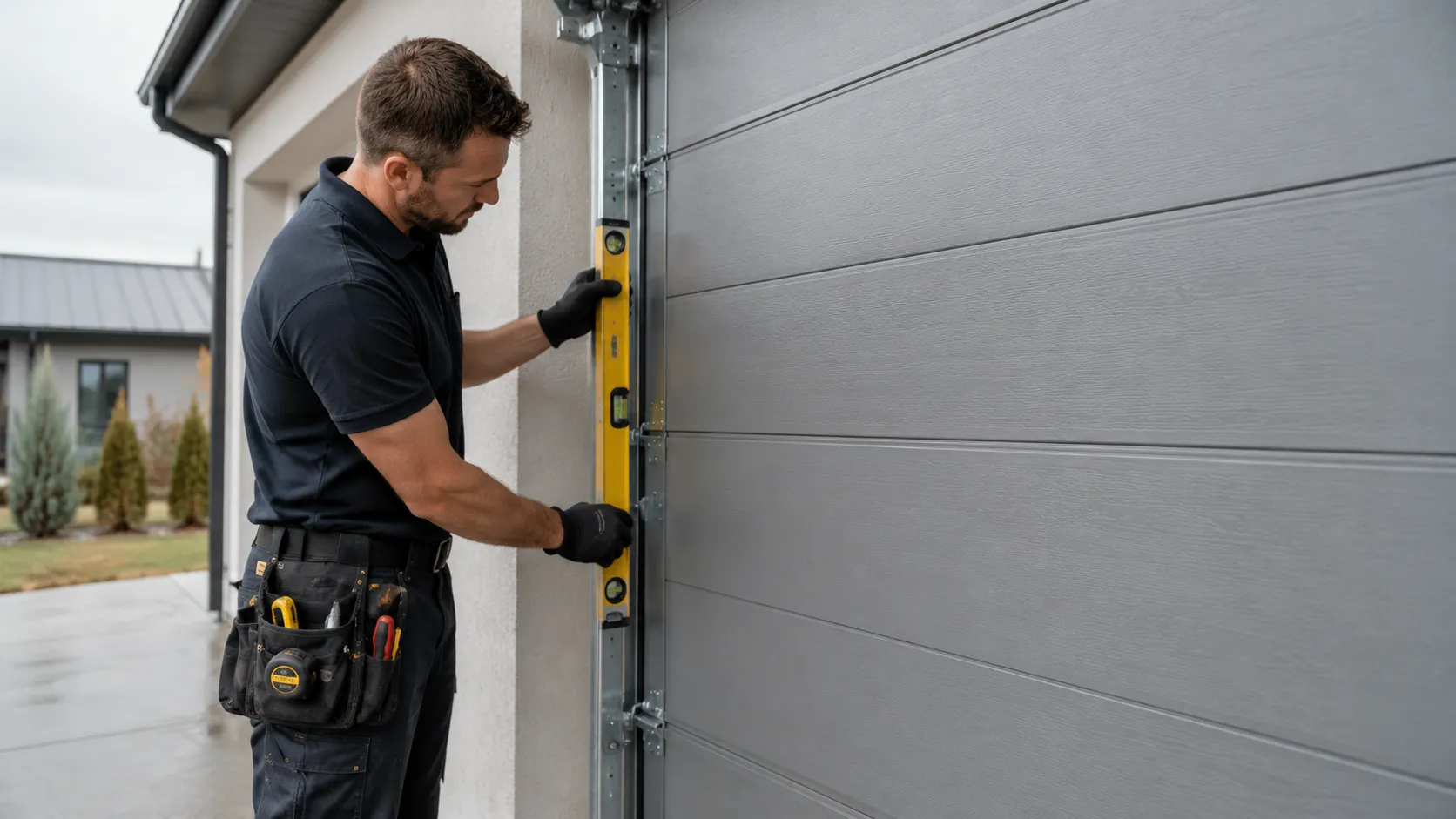
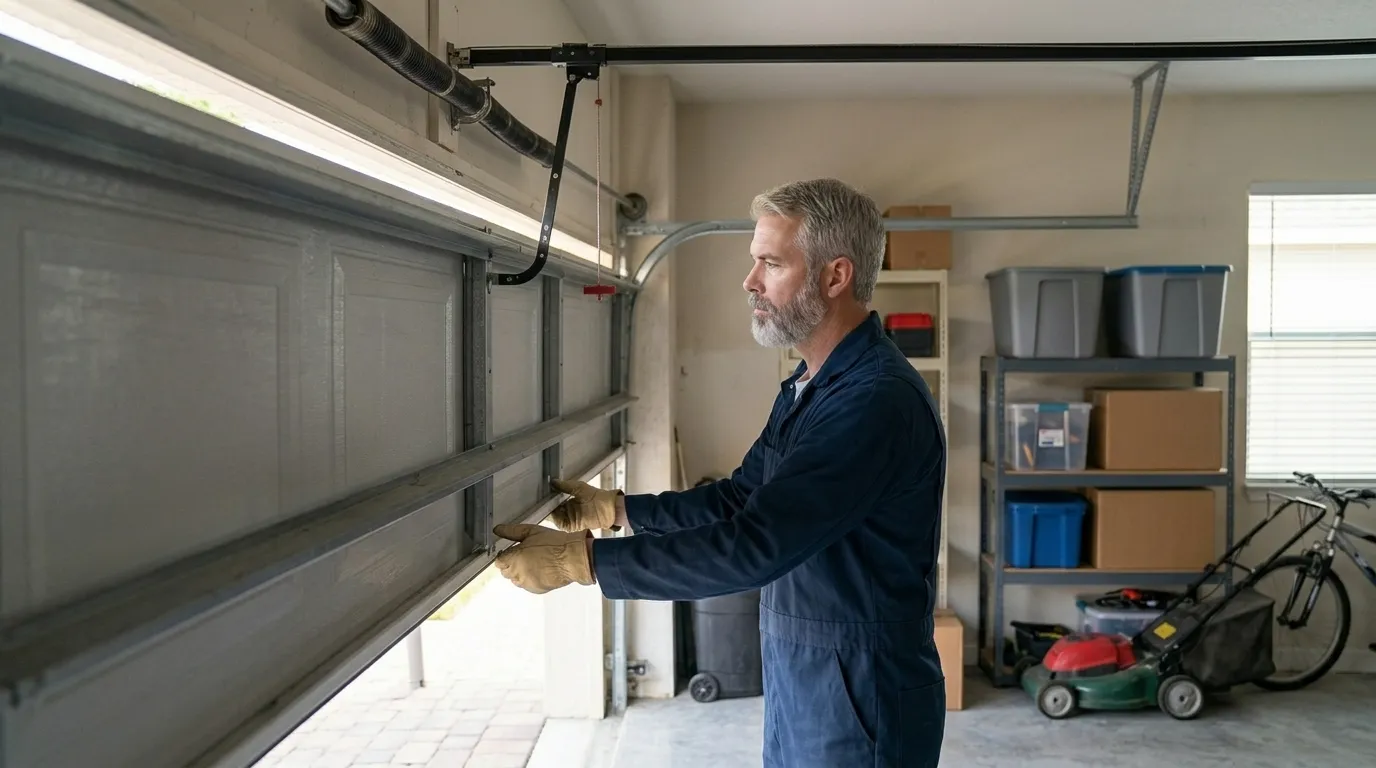
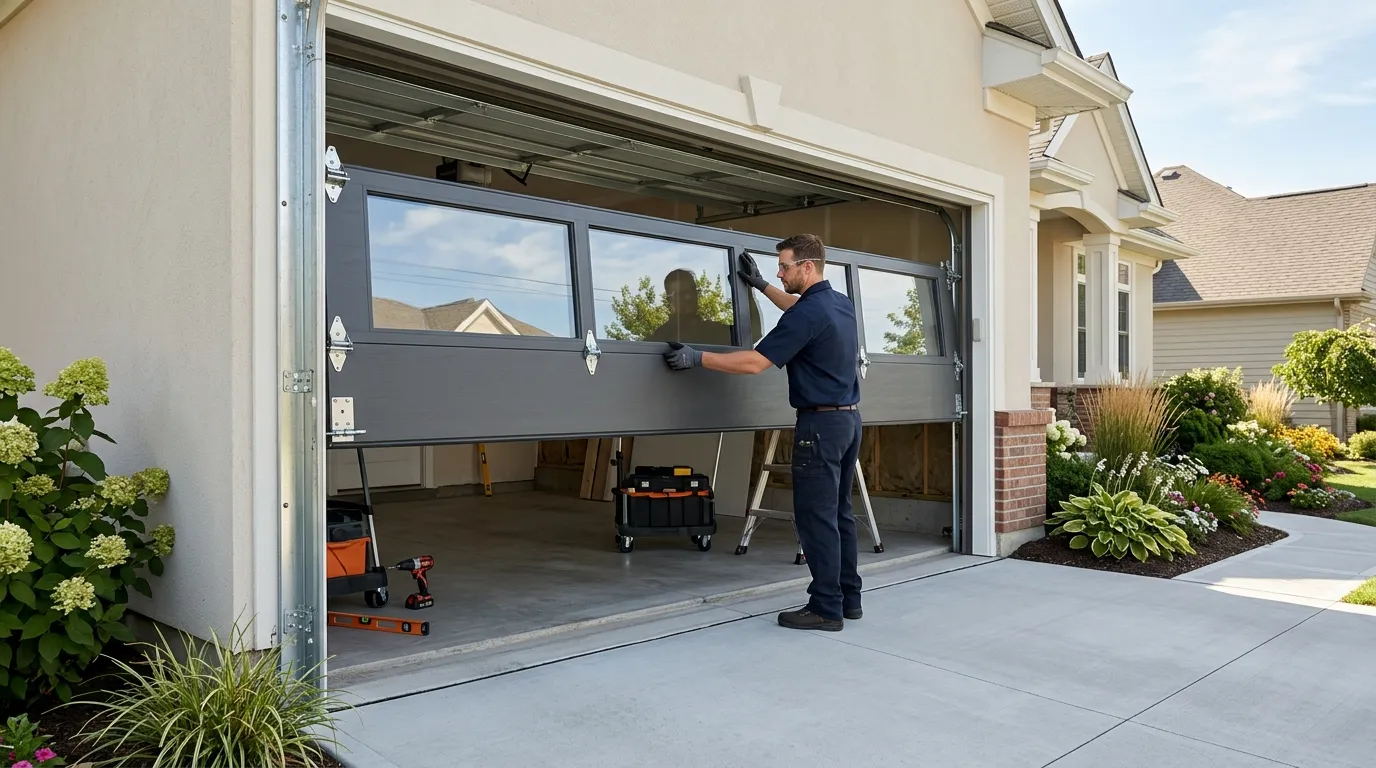
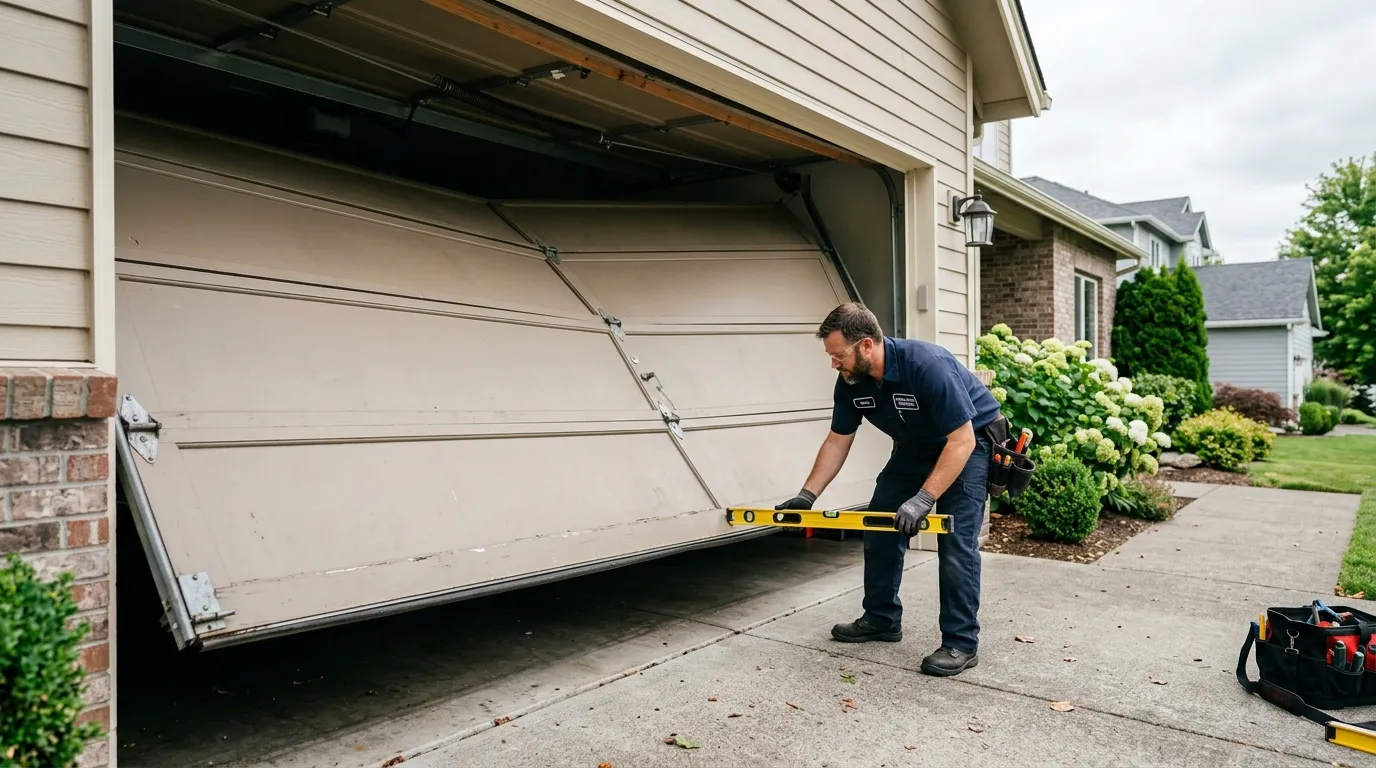
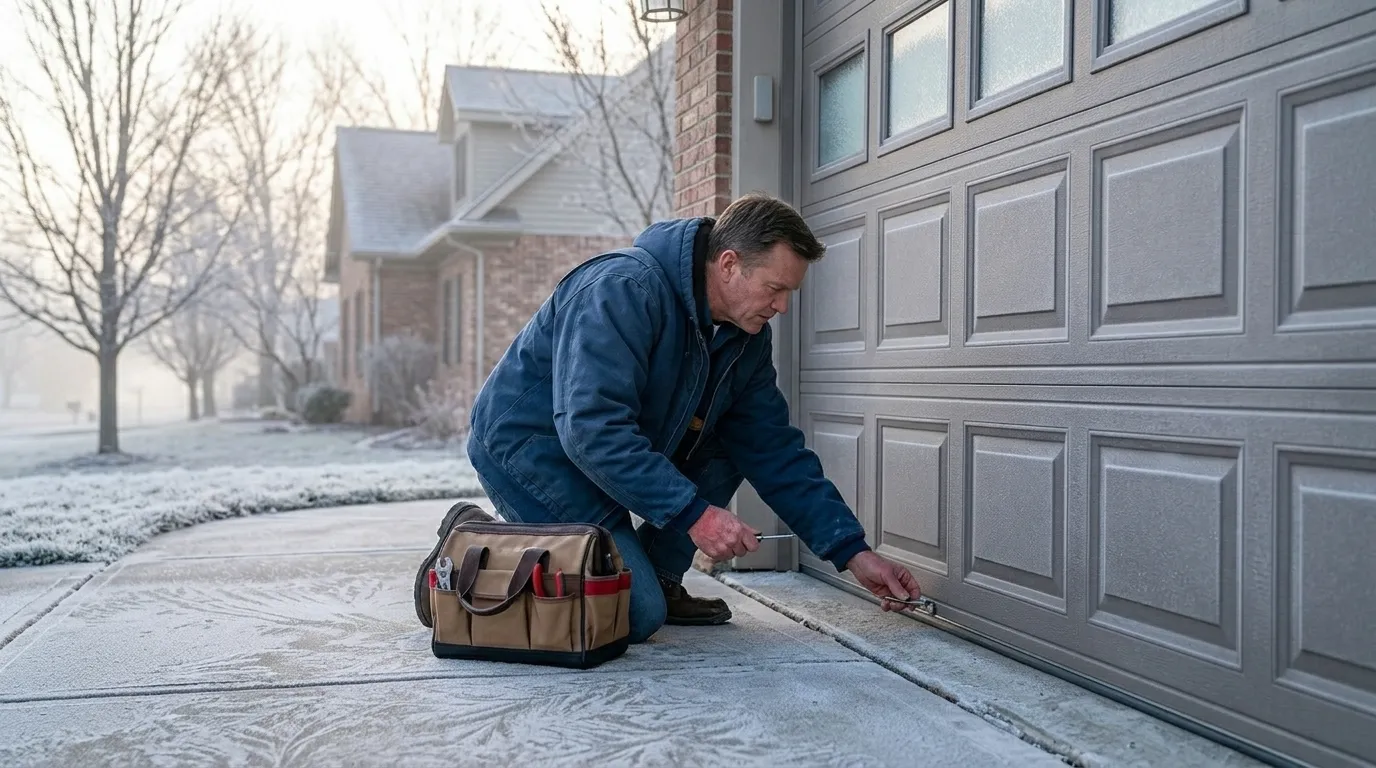
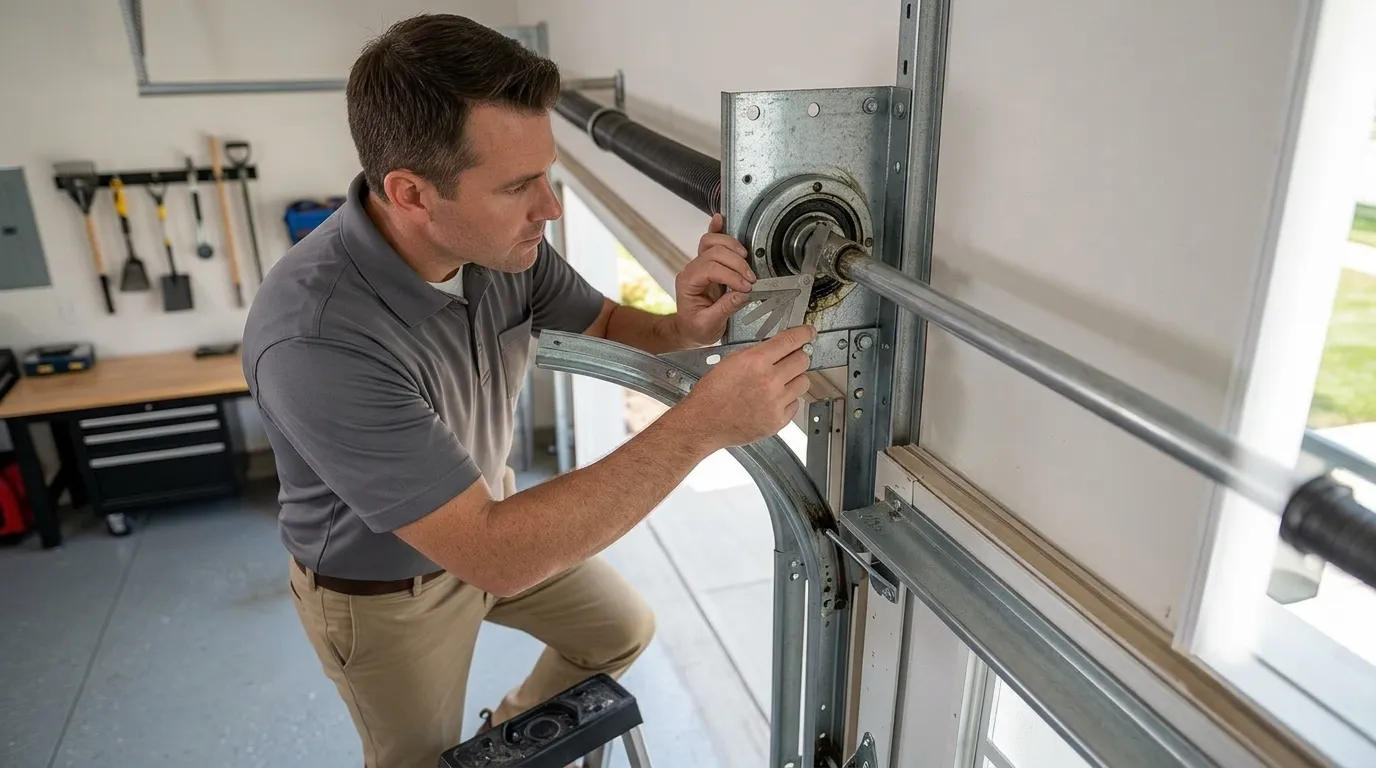
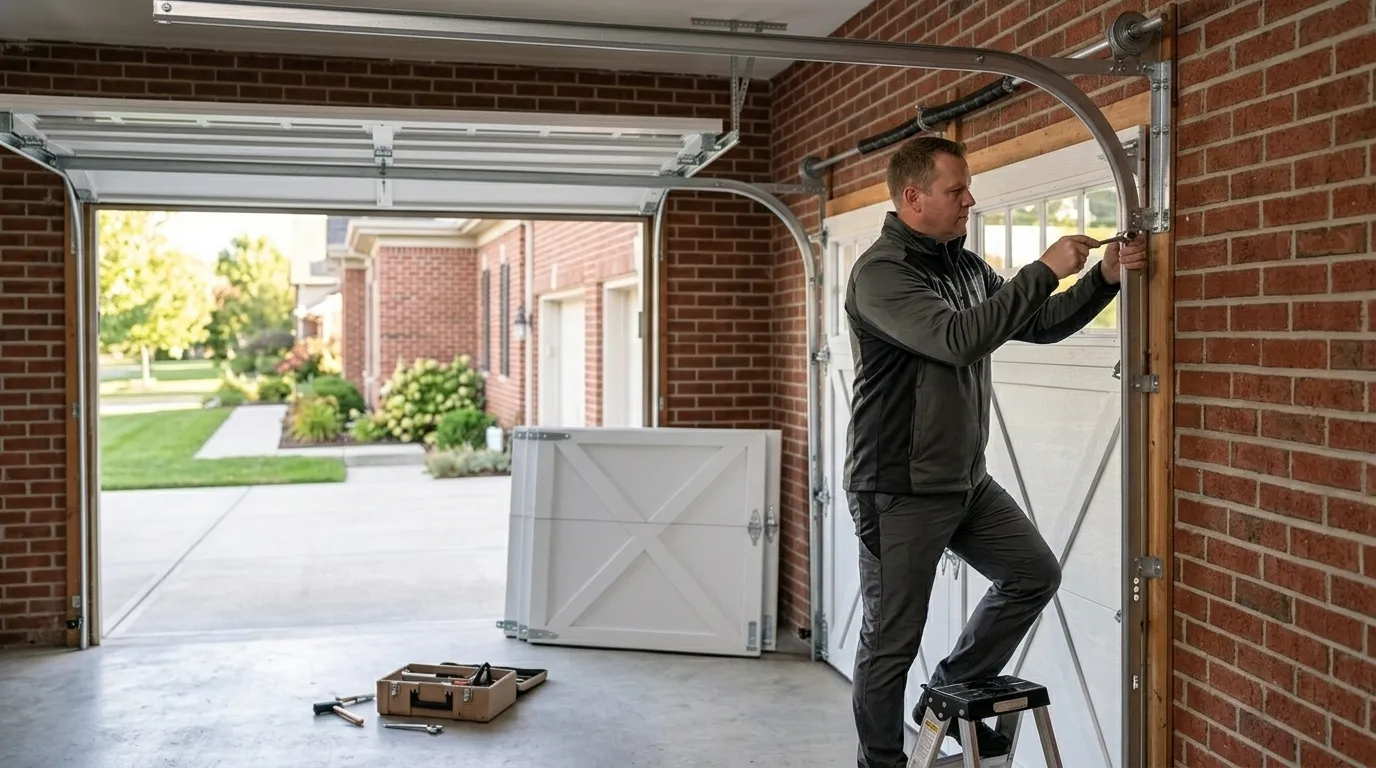
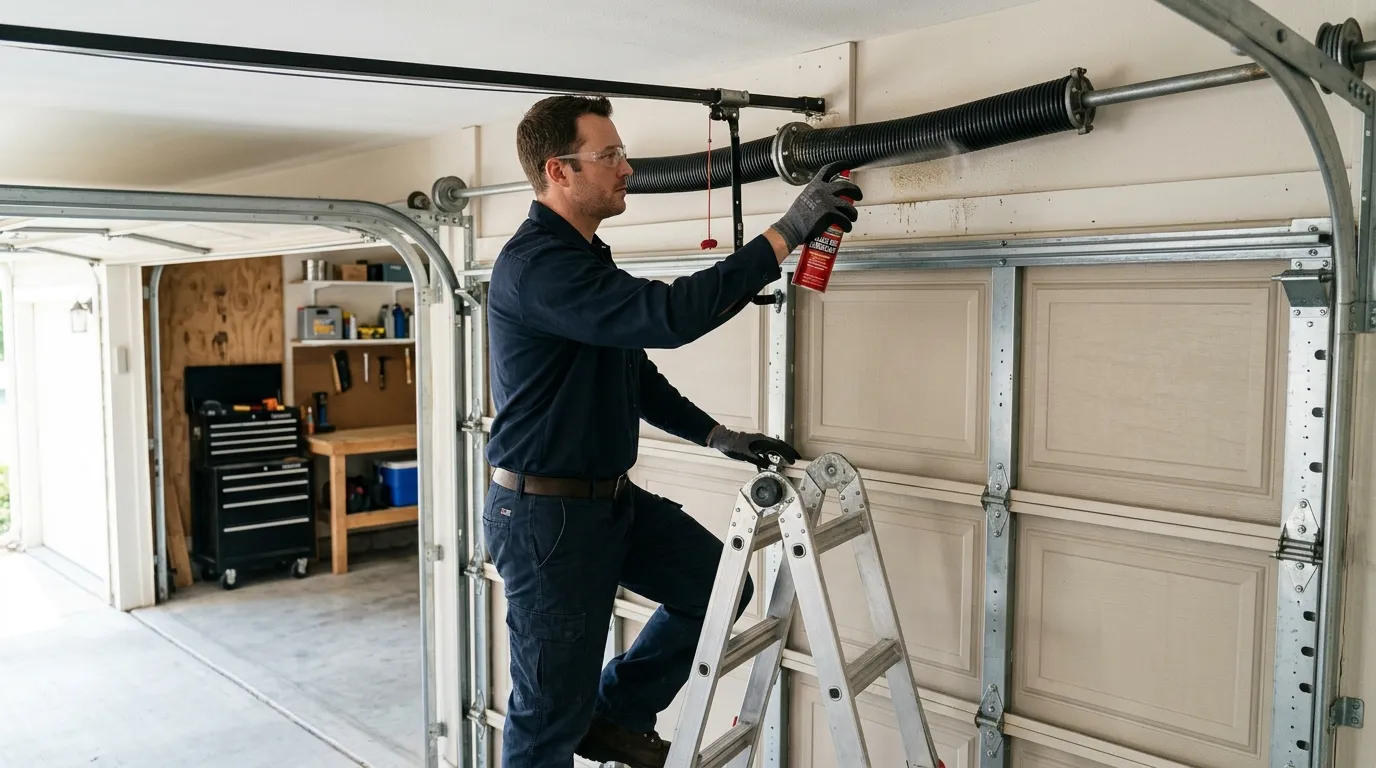
On a door this age, the torsion spring is the part most likely to go first, and when it does it usually goes without warning - a bang from the garage, then a door that won't lift or slams down fast when someone pulls the release. Rollers on the original steel track wear oval instead of round after enough winters, which shows up as a door that binds partway up. Cable fraying is common too, especially on doors that never had the cable drums adjusted after the first few years of settling. Openers from that build era, if original, are past any reasonable service life and the circuit boards inside them are the kind that fail outright rather than degrade gradually. We don't see much rot in the doors themselves here - steel doesn't rot - but the wood jambs they're mounted to can shift over three decades of freeze-thaw, which throws the whole opening slightly out of square and makes the door bind on one side before the other.
The Cost of This Job
We don't publish flat prices here because the fix depends on what's actually failed - a spring swap is a different job from a full opener replacement, and a door that's out of square from a shifted jamb costs more in labor than parts. What we can say is that Oregon households have the income to make full replacement a reasonable option when a door is failing across multiple points at once, rather than patching one part at a time. With median household income here over $100,000, a lot of homeowners choose to replace an aging 1991-era door outright once the spring, opener, and track are all showing wear together, instead of paying for three separate repair visits over two years.
Time on the Job
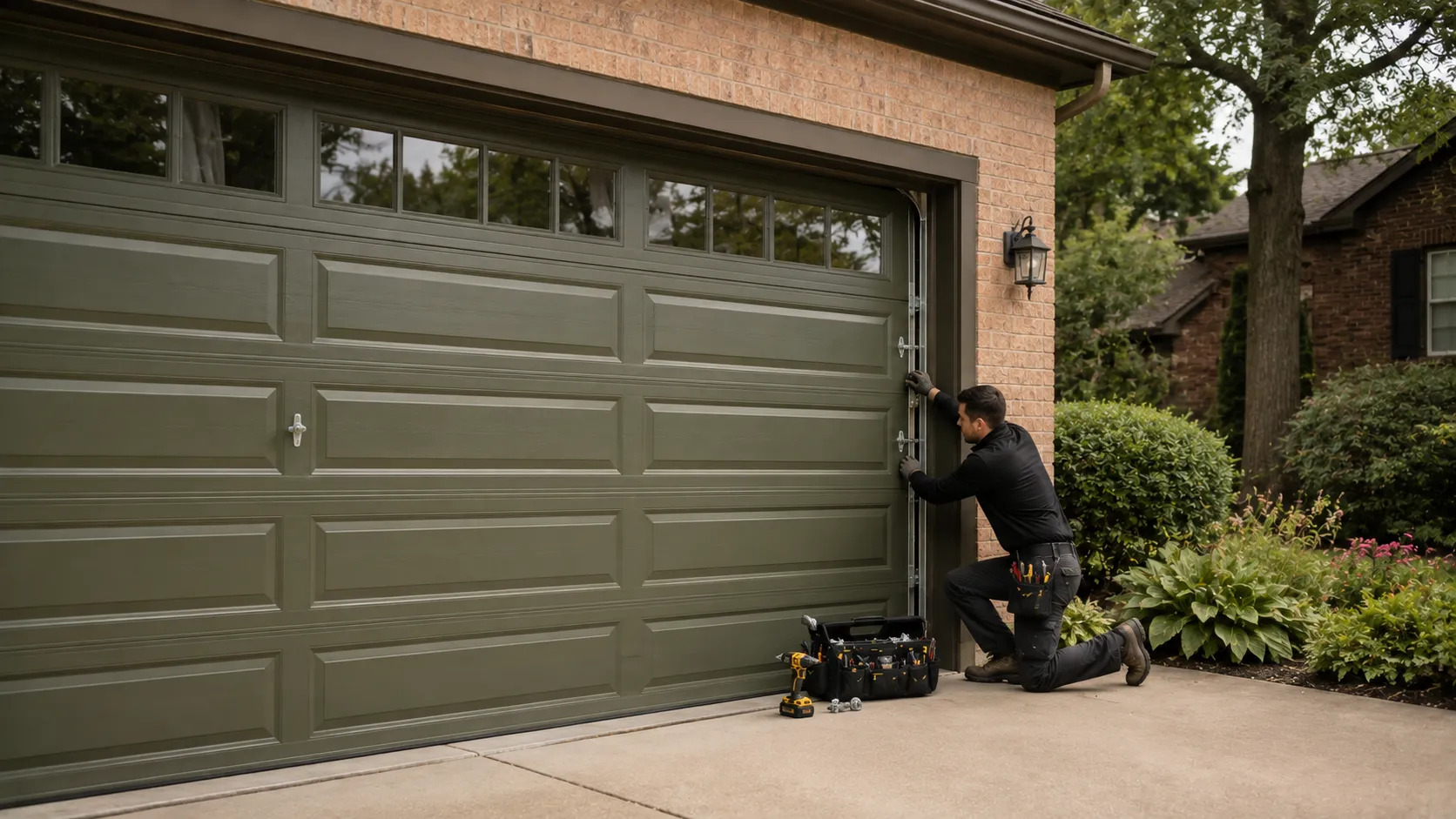
A spring replacement on one of these doors is usually the shortest job we do - most take under an hour once we're on site. Track and roller work runs longer, especially if the jamb alignment needs correcting first. Opener swaps are a half-day at most. What takes longer, sometimes, is the diagnosis itself: a door that's binding could be the spring, the track, or the jamb, and on a house from the early '90s it's often more than one of those at once, which is why we look at the whole opening before quoting a fix.