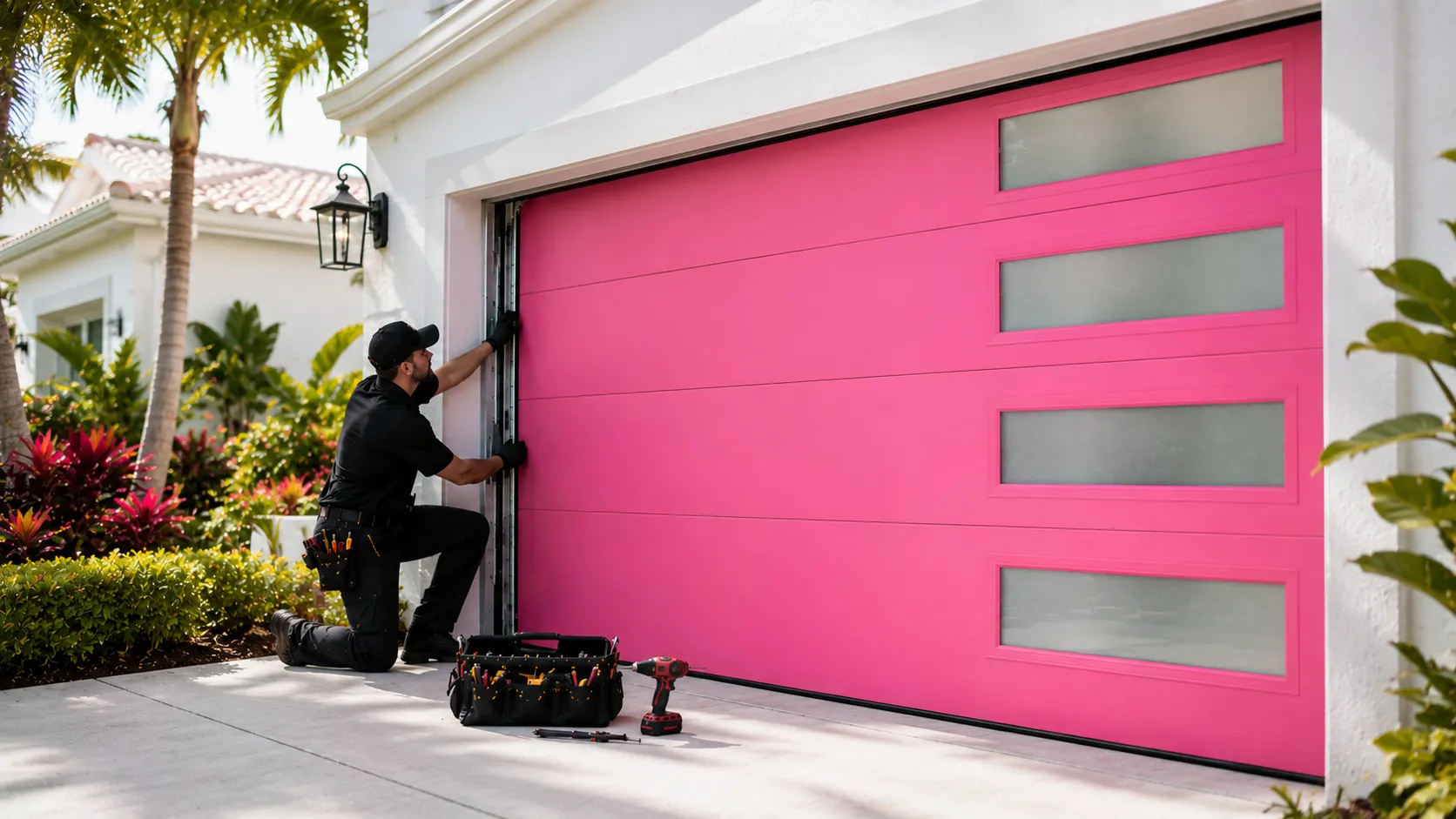
Doing It Yourself
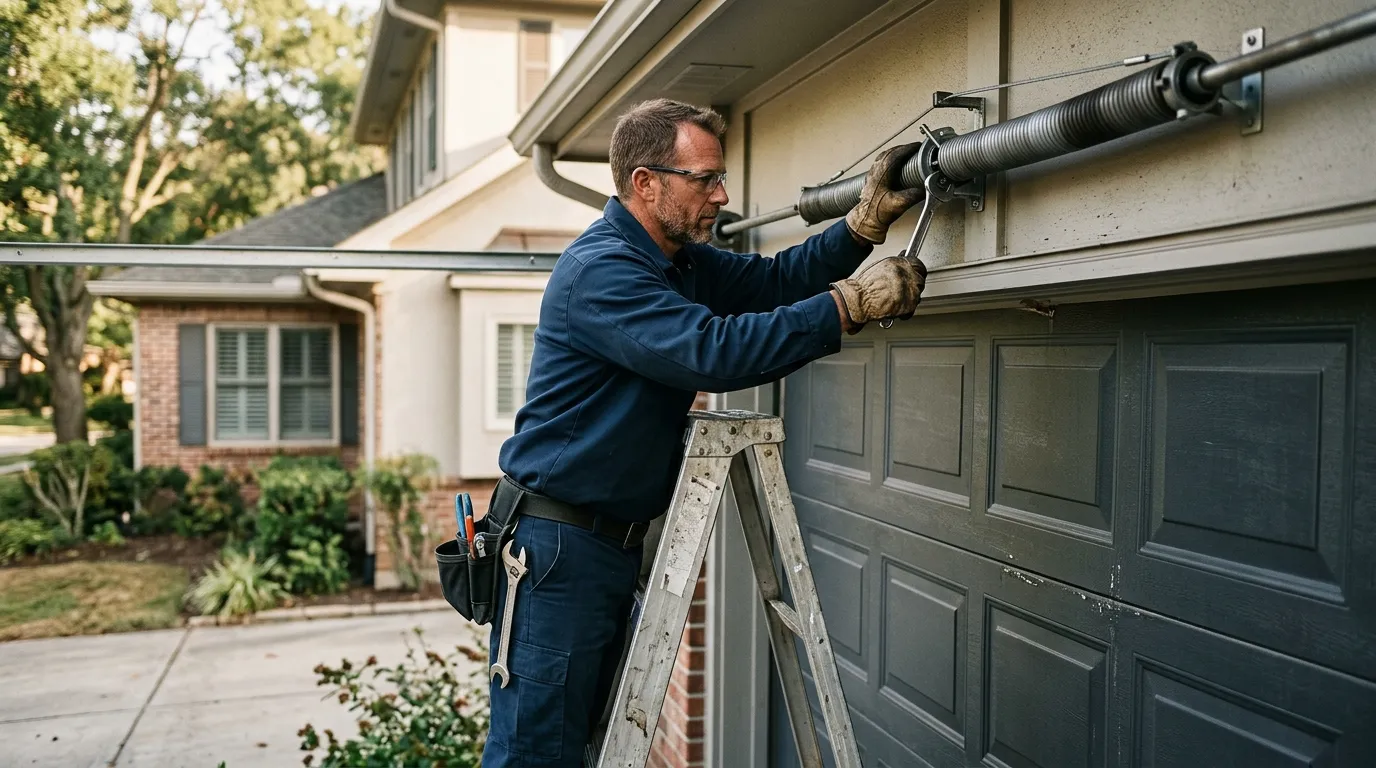
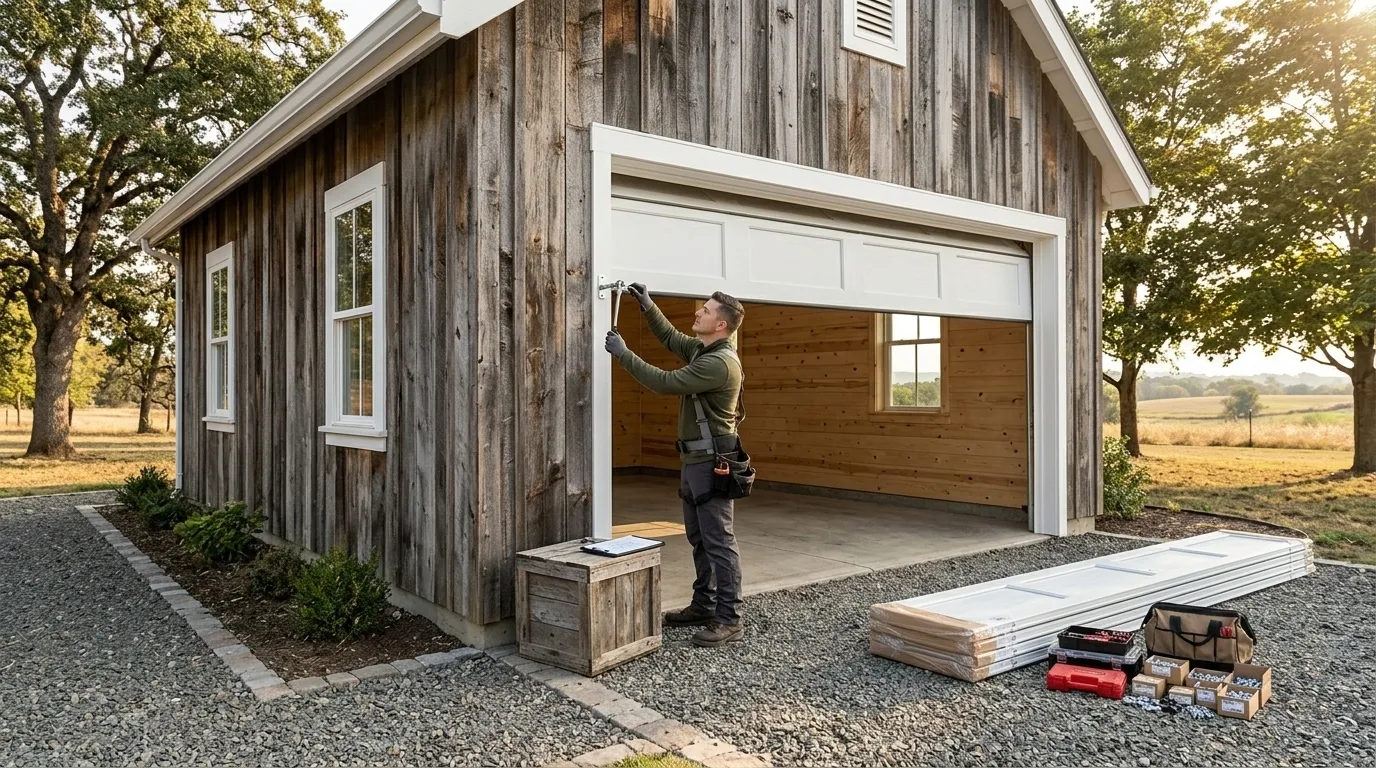
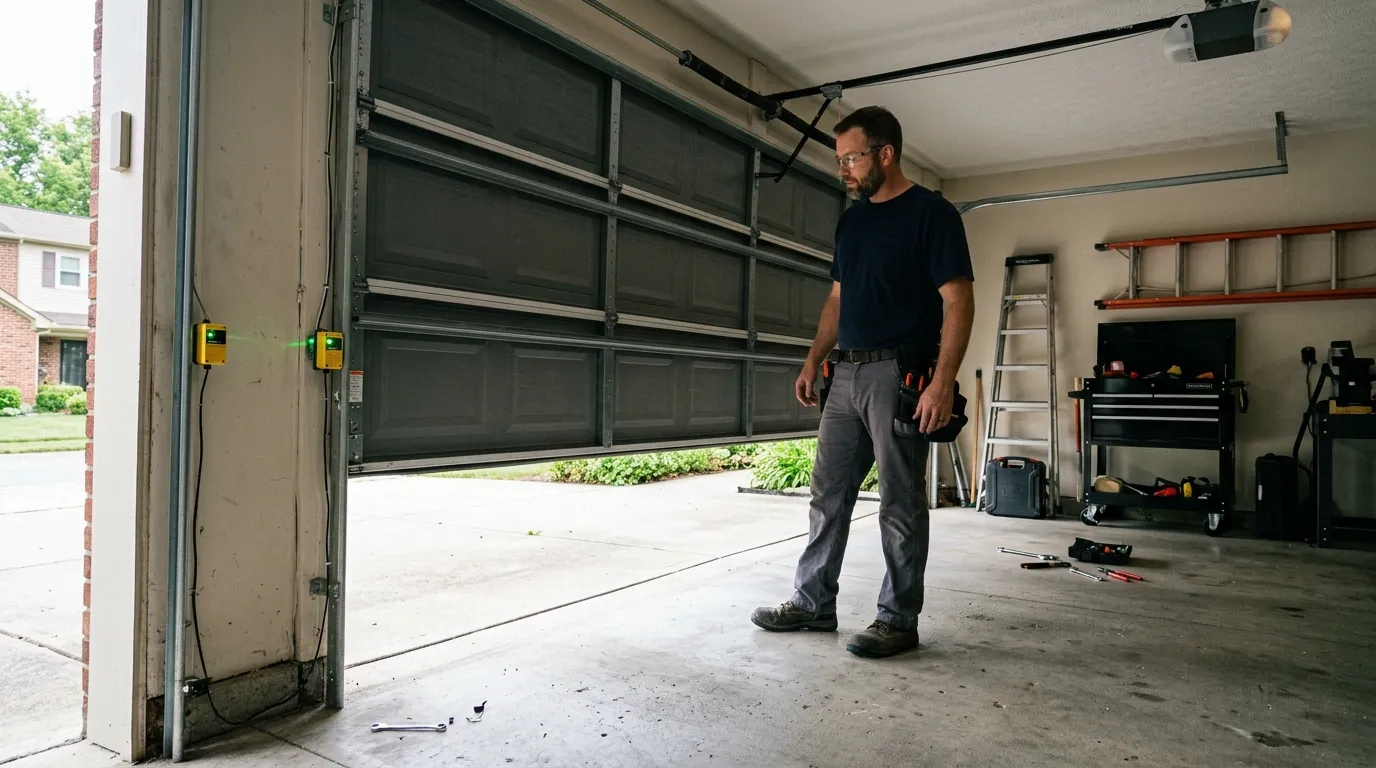
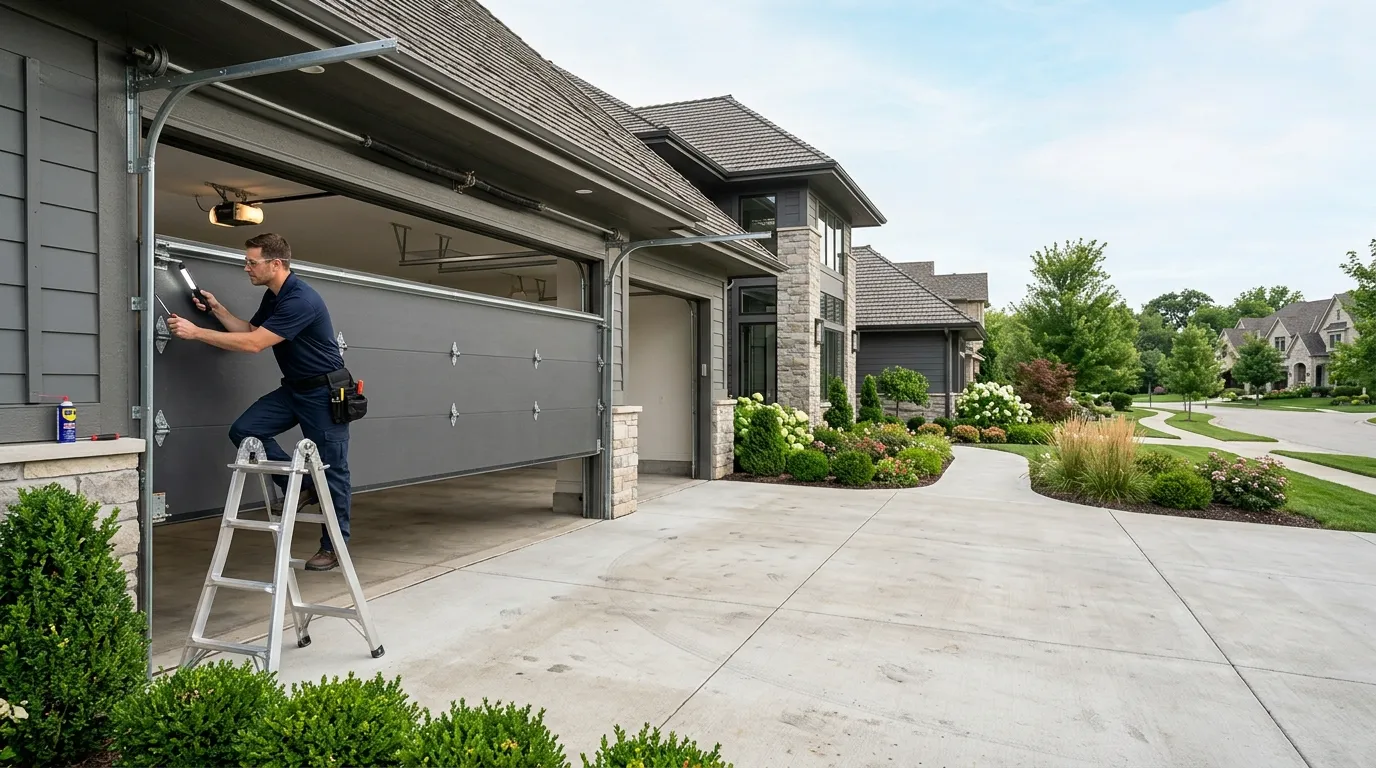
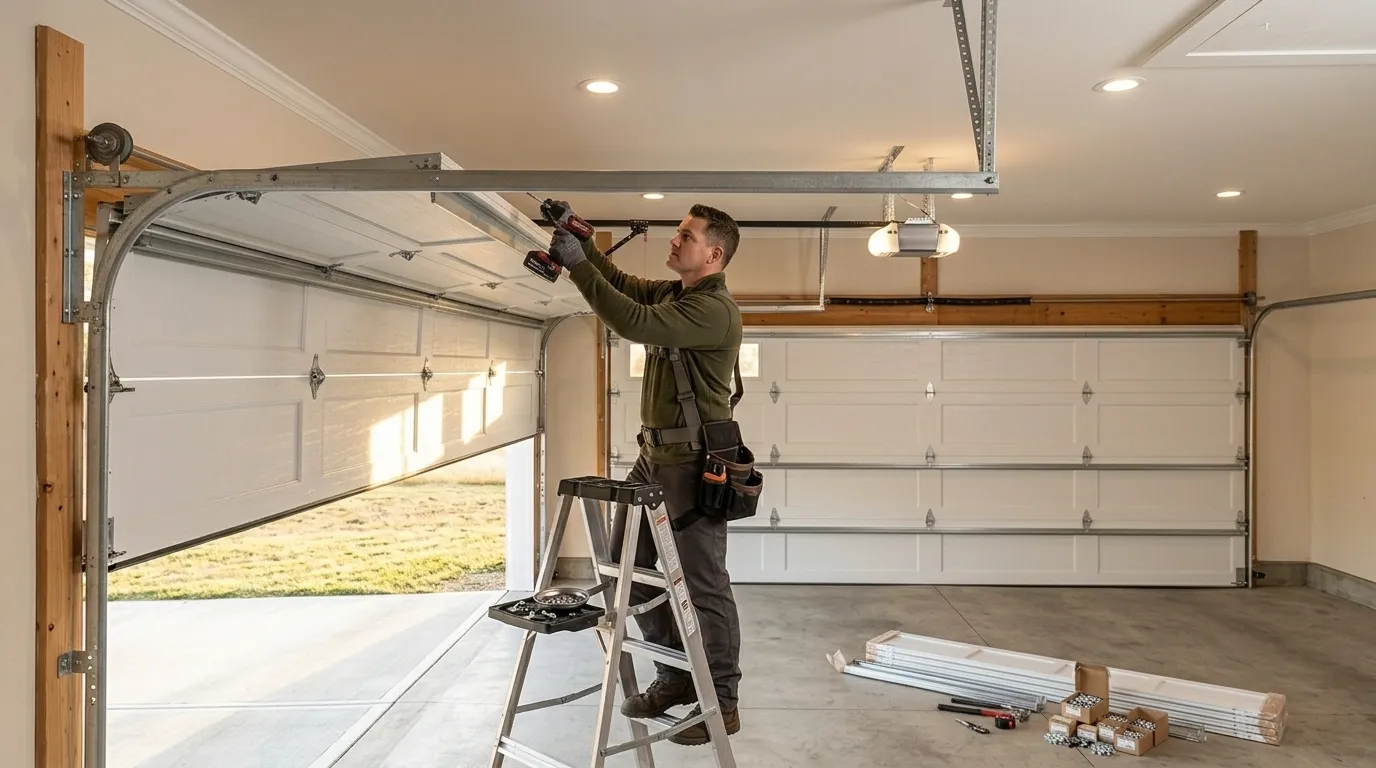
A torsion spring holds enough stored force to break a hand or worse, and on a house built around 2001 that spring has never been replaced - it's original, it's fatigued, and it doesn't behave like a new one. We're not going to walk you through winding it yourself. Where a homeowner can reasonably do their own work: tightening a loose hinge bolt, clearing a track of debris, replacing worn weatherstripping along the bottom panel. Where it stops being a DIY job: springs, cables, anything that involves the torsion bar or the drums it winds onto. If your opener from that same build era is throwing an error code or won't respond to the remote, that's often a board or logic issue rather than something you can bench-test at home. Cold-climate houses also see stiff, gummed-up rollers this time of year - a shot of the right lubricant helps, but if the door still binds, that's a track alignment problem, not a lube problem, and forcing it usually bends the track further.
Time on the Job
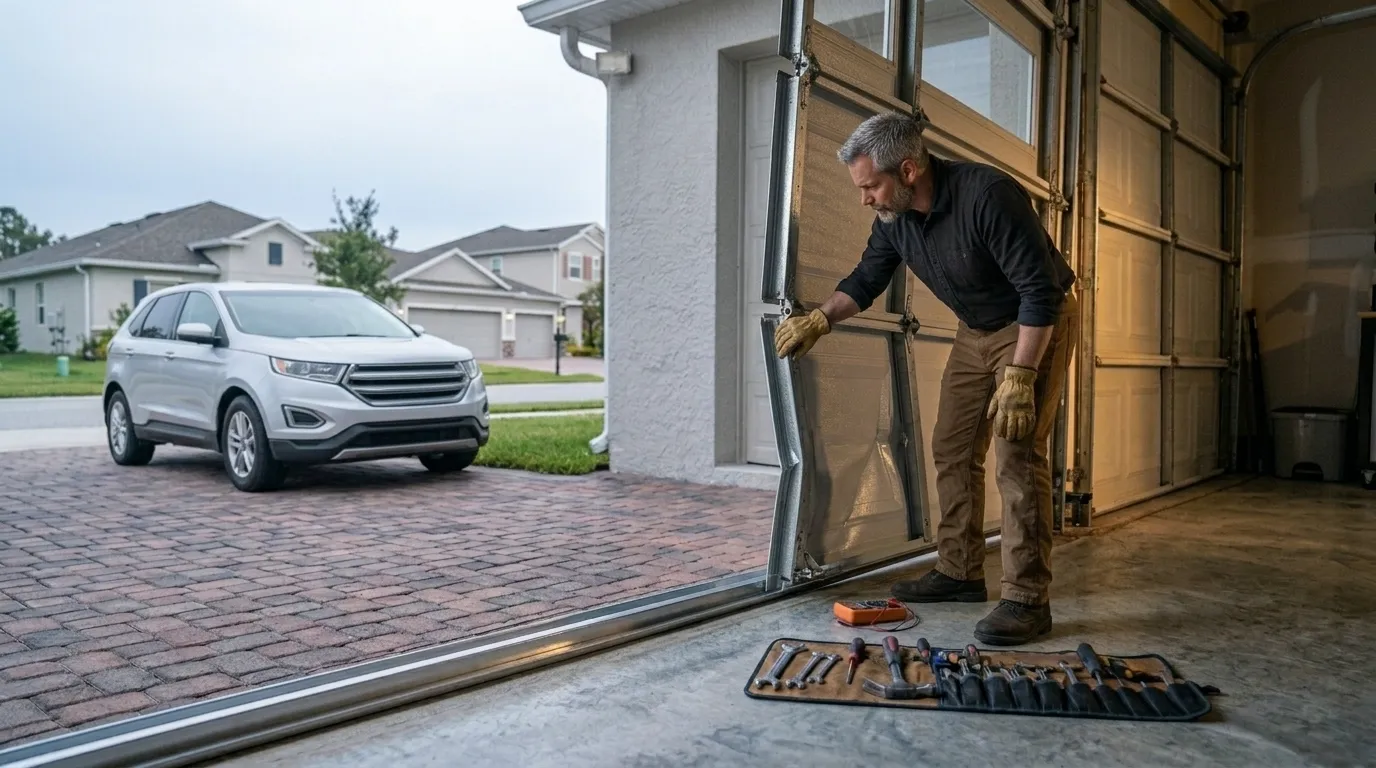
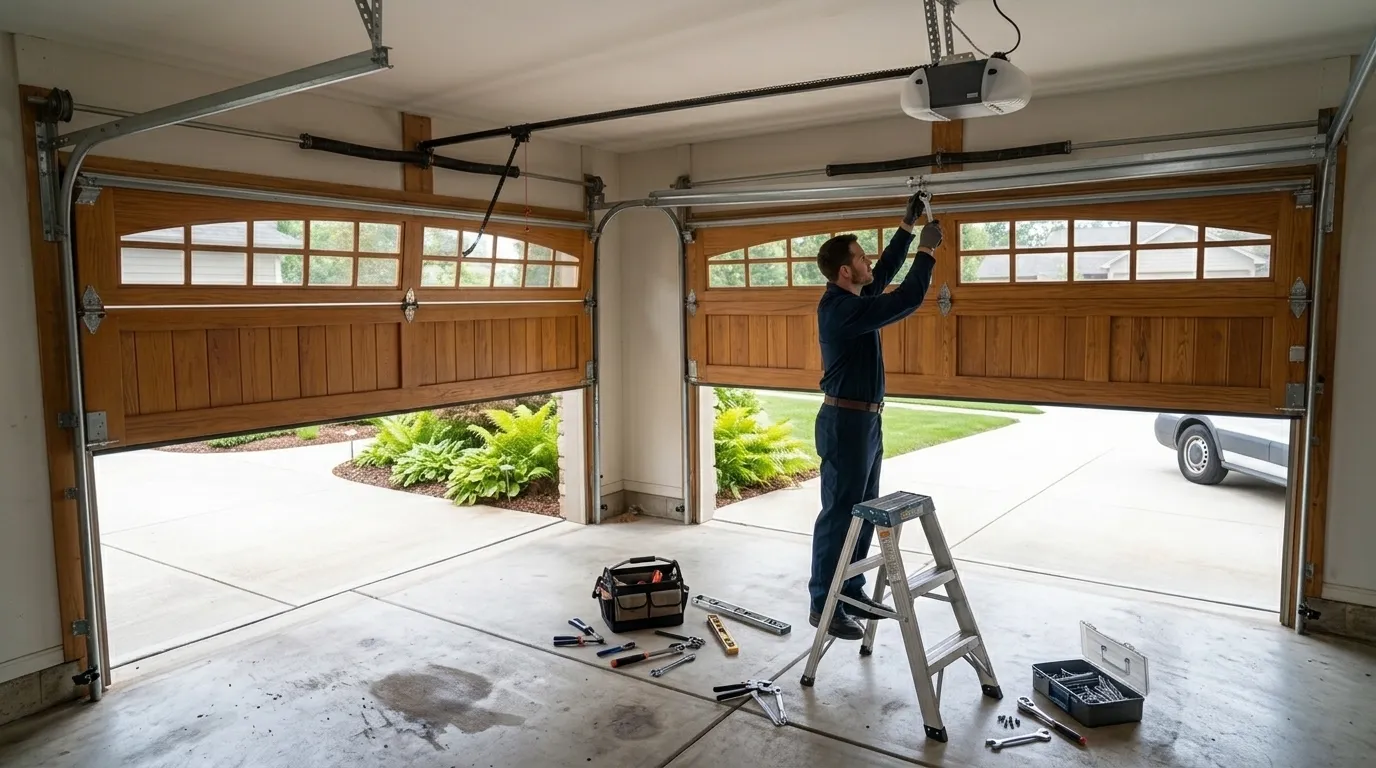
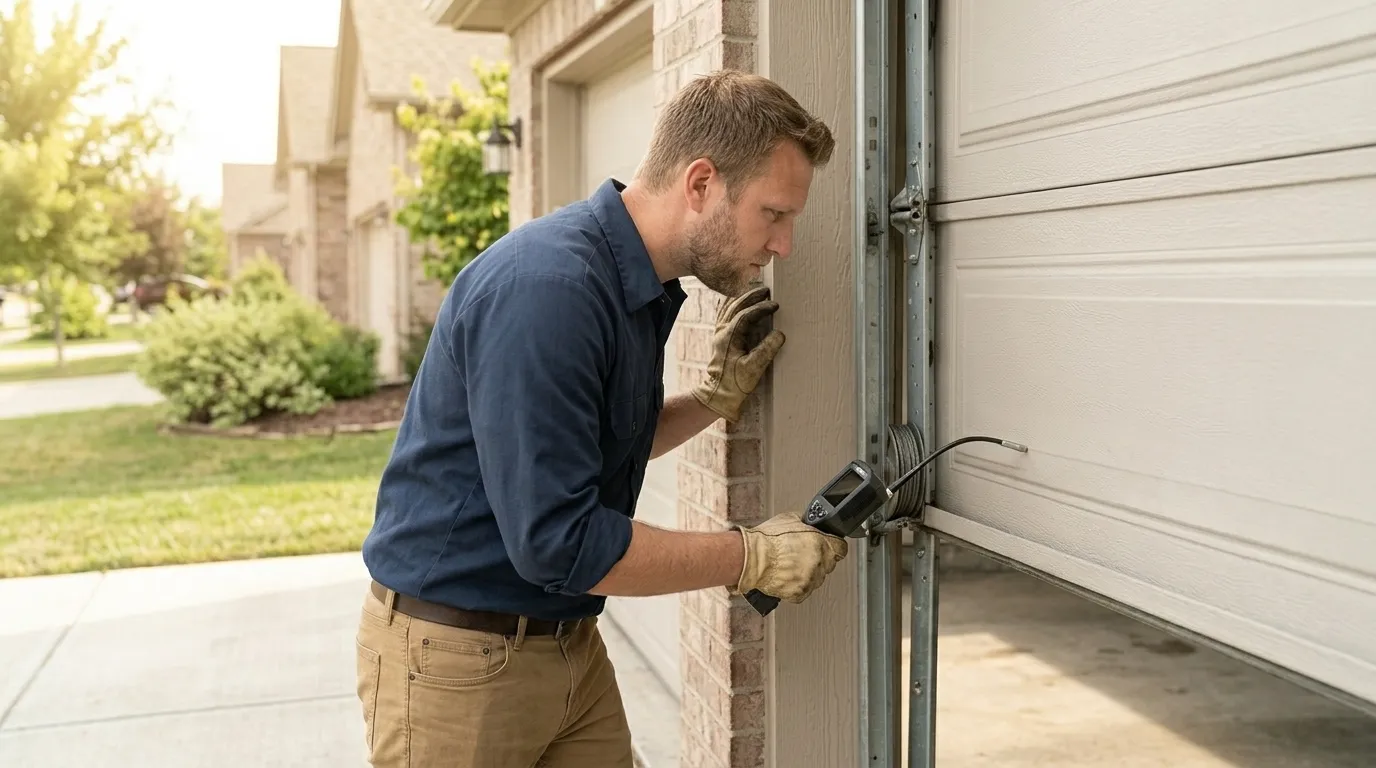
A single broken spring on a garage from Verona's typical build era is usually a same-visit fix once we're on site - the spring, drums, and cables are standard sizes for doors that age, and we carry them. What runs longer is when the opener is original too: a 20-year-old chain drive with a failing board sometimes means a full opener swap rather than a part, and that's a different clock. Cold weather adds its own delay. In a moderate-cold climate, condensation and ice on the bottom seal can freeze a door to the slab overnight, and that's a five-minute thaw-and-check before we even get to the actual repair. We come from Madison, so travel time is part of the visit, not separate from it - figure that into when the truck shows up, not into how long the repair itself takes once we're there.
What Is on the Truck
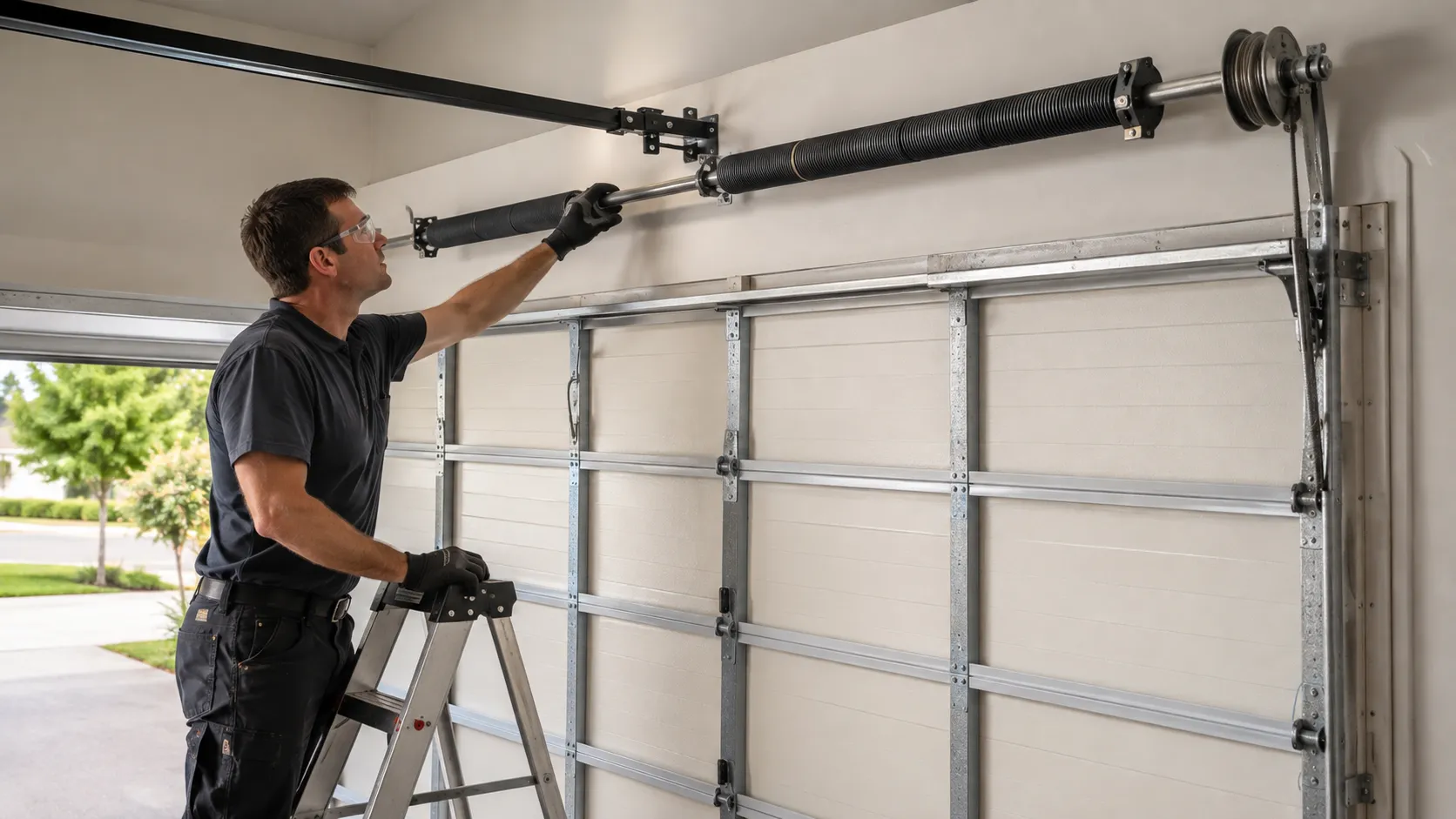
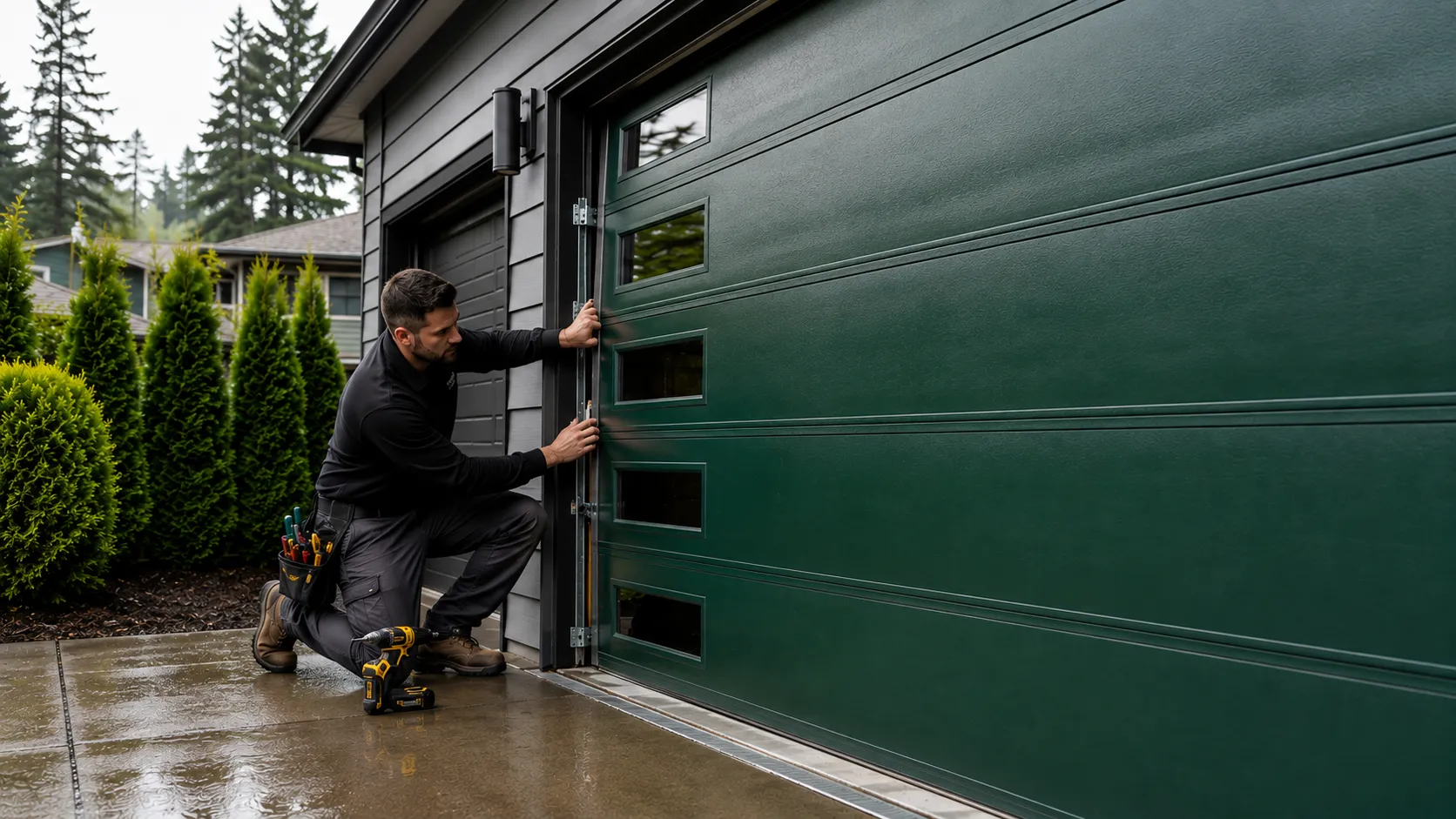
For the hardware sizes common to houses built through the late 1990s and into 2001, we carry standard torsion springs, matching drums, galvanized cables, and rollers sized for that generation of door. We stock common opener logic boards for the drive systems installed during that build window, since board failure is the most frequent opener call in newer-built parts of the service area. What we don't carry on every truck: specialty low-headroom torsion kits or oversized commercial-grade springs - those get ordered ahead if a job calls for them, which is the honest limit of a same-visit repair. Weatherstripping and bottom seals rated for a moderate-cold climate are standard stock, since a bad seal is as common a call here as a broken spring once the temperature drops.