Garage door repair for Marshall, WI, 19 miles from our Madison shop. Early-80s builders' door hardware, cold-climate wear, and what we can and can't fix from here.
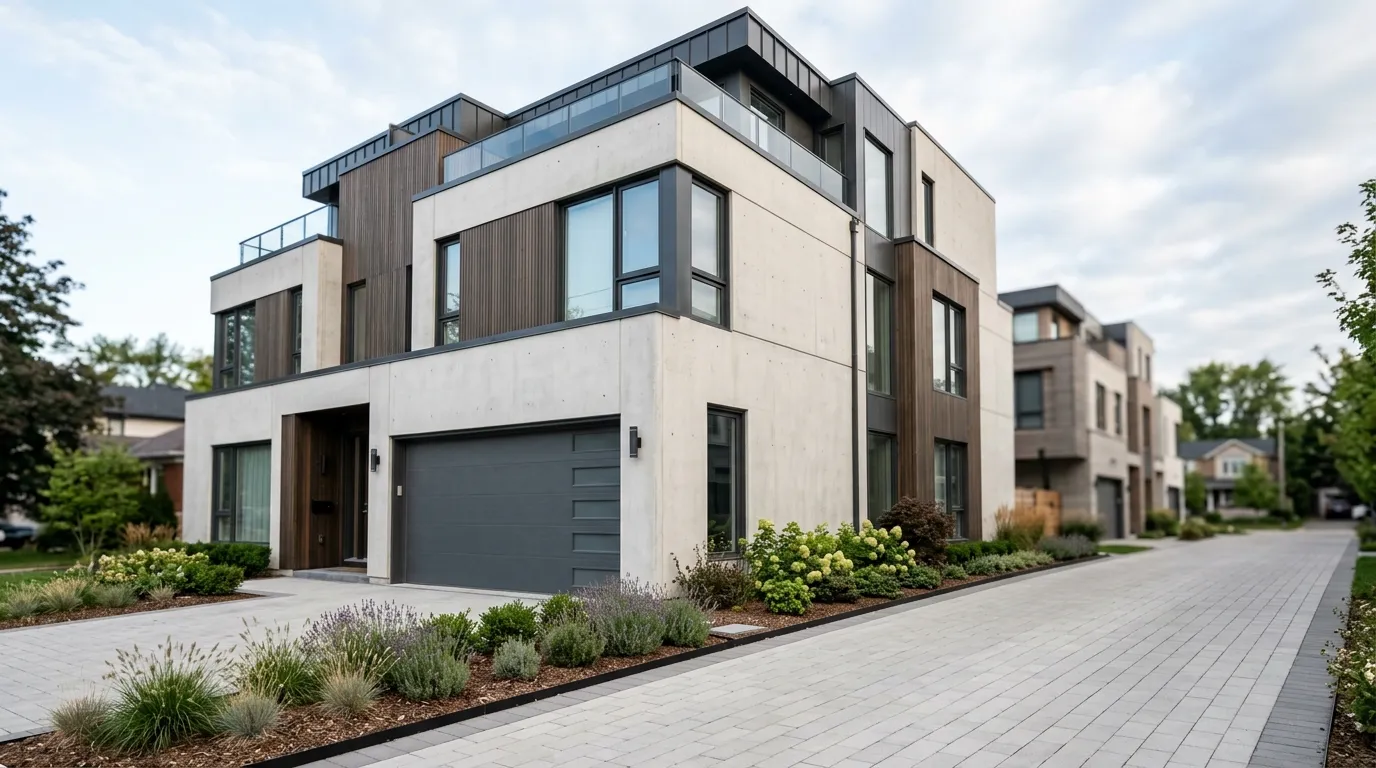
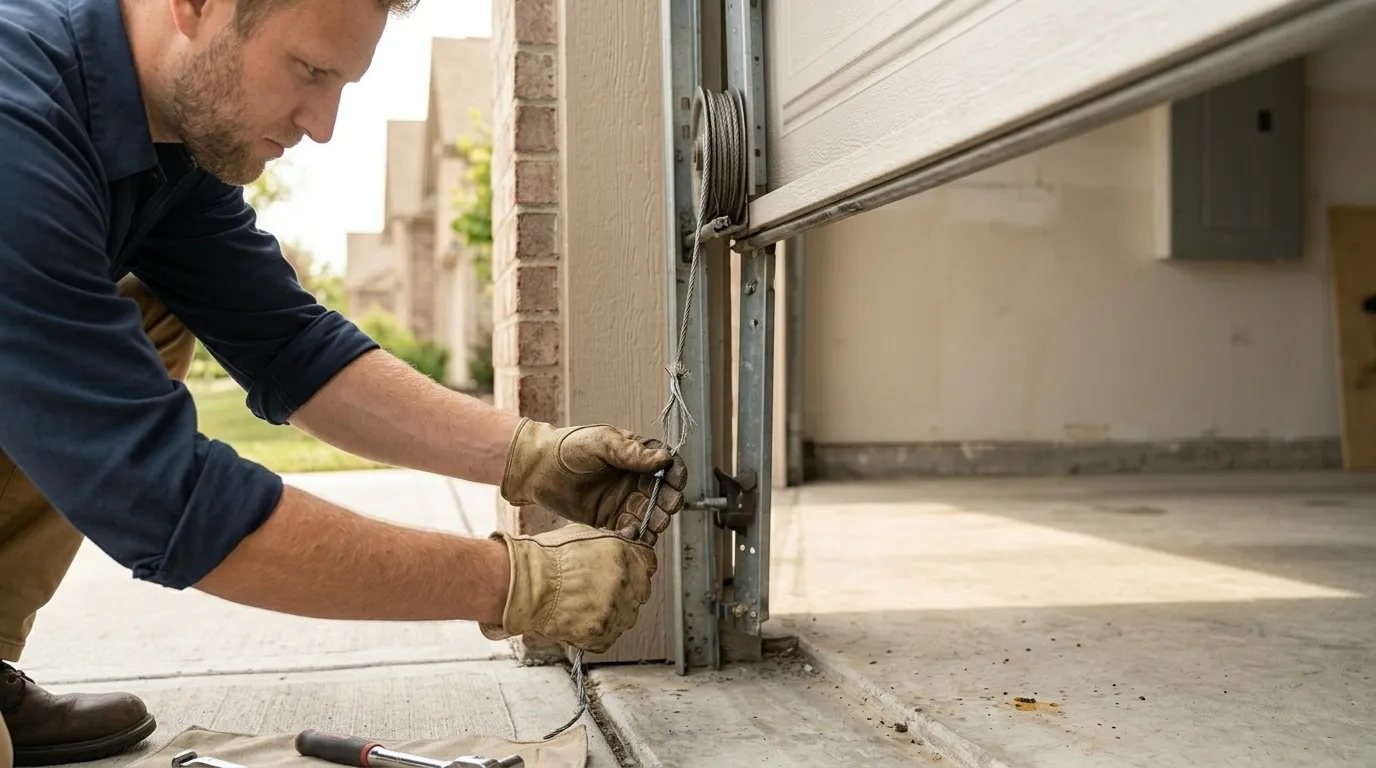
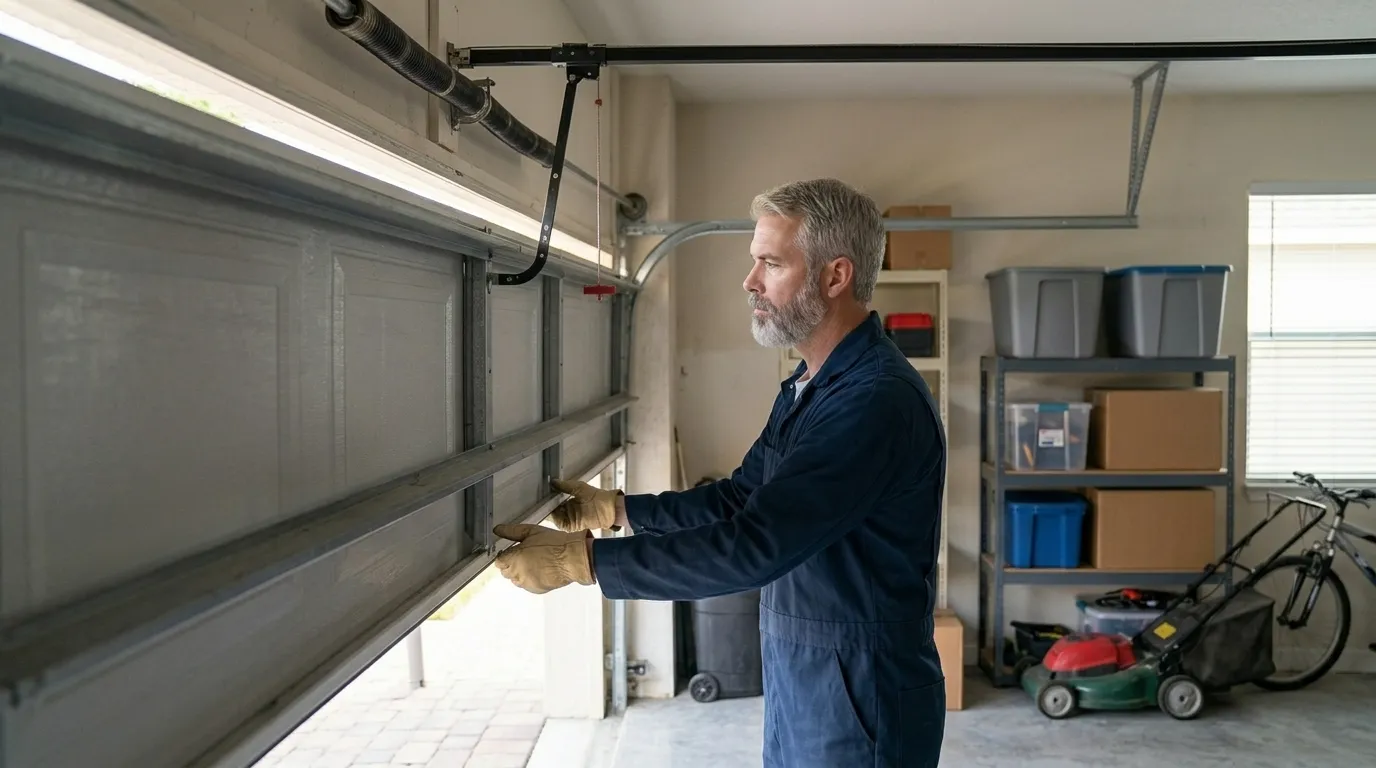
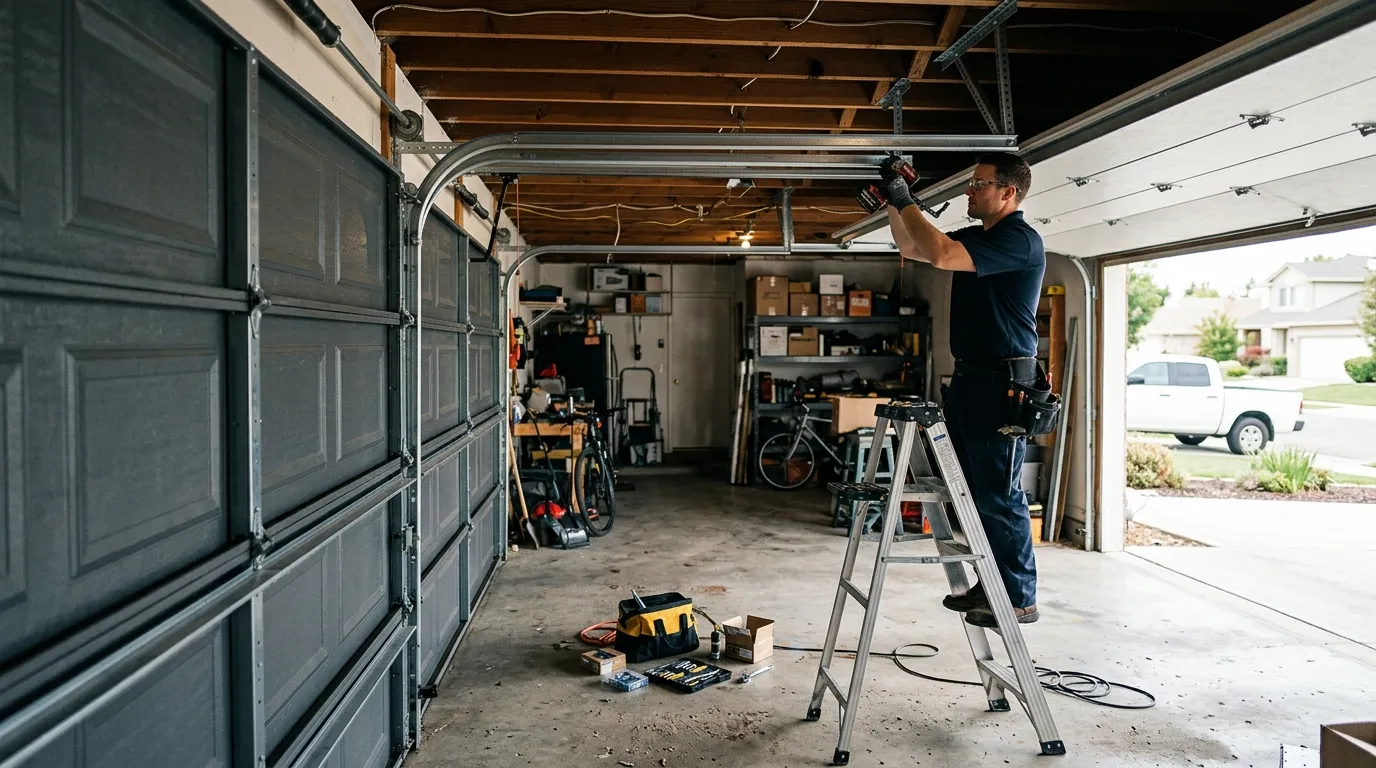
Marshall's housing stock centers on 1983, a few years ahead of the broader service area's 1986 median build year. That gap matters more than it sounds. Doors and openers installed in the early 1980s were still commonly steel sectional panels on galvanized track with chain-drive openers rated for lighter loads than what's sold today. By the time most of the wider area was building out through the late '80s and '90s, torsion spring cycle counts and opener horsepower ratings had crept up. A house built in Marshall in 1983 is more likely to still be running its second or even original opener, and the springs on that door have usually seen more open-close cycles per pound of coil than a spring installed a decade later.
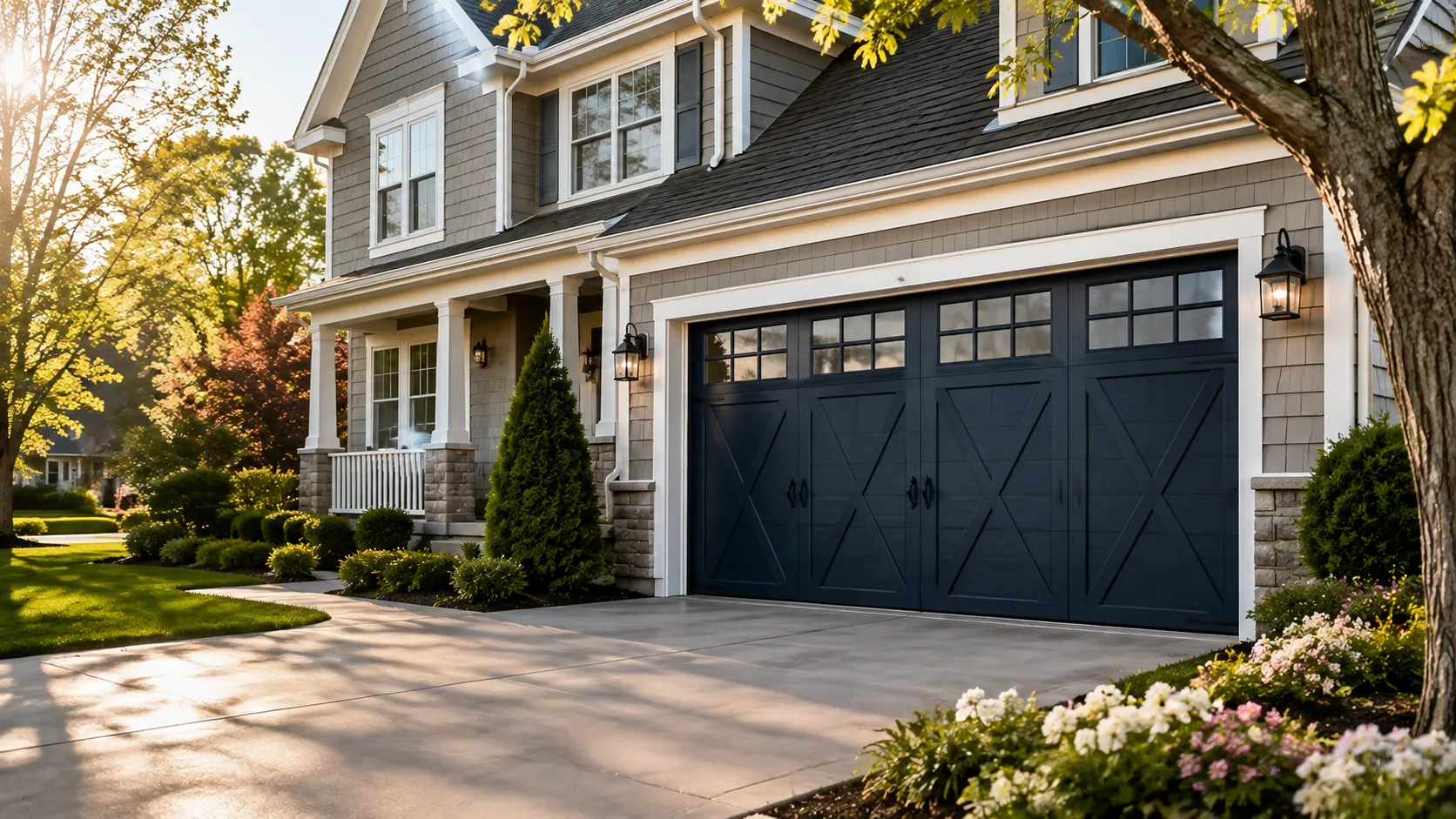
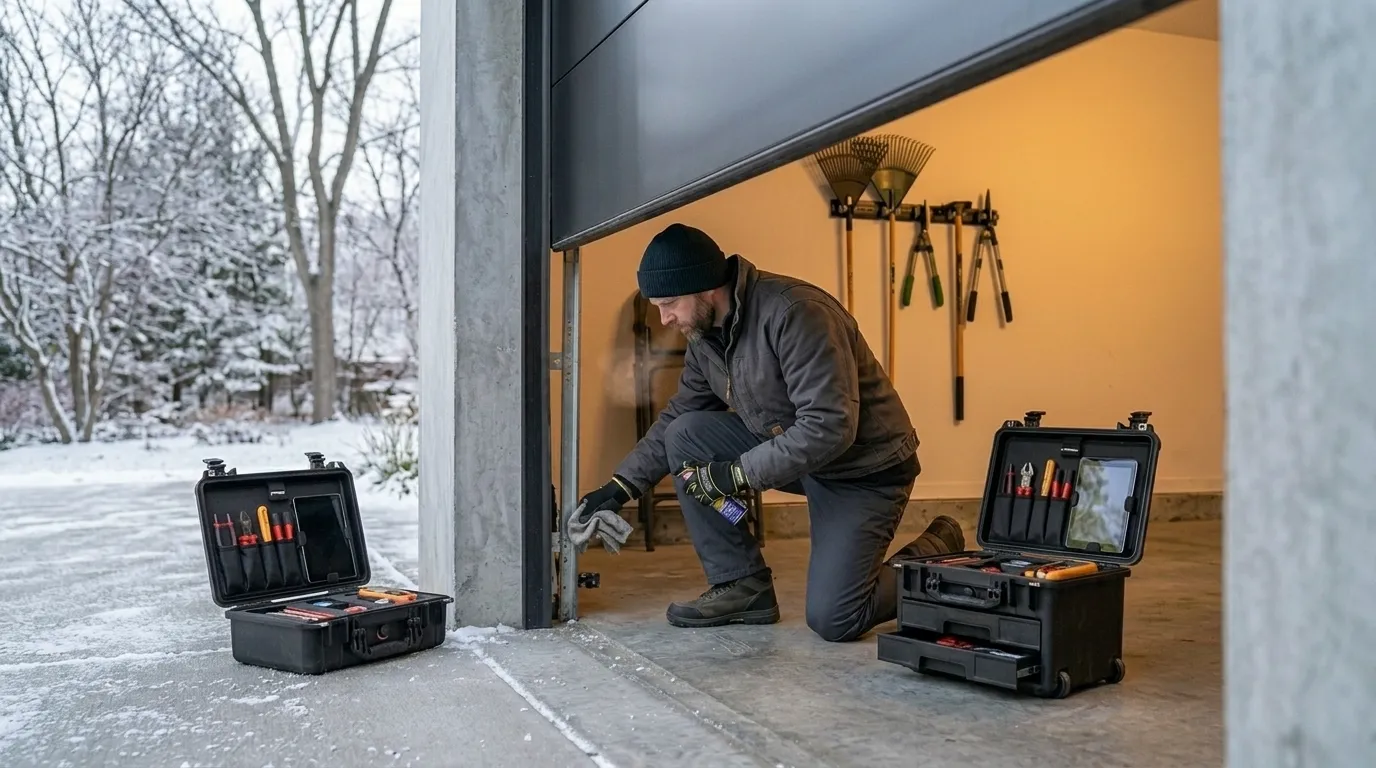
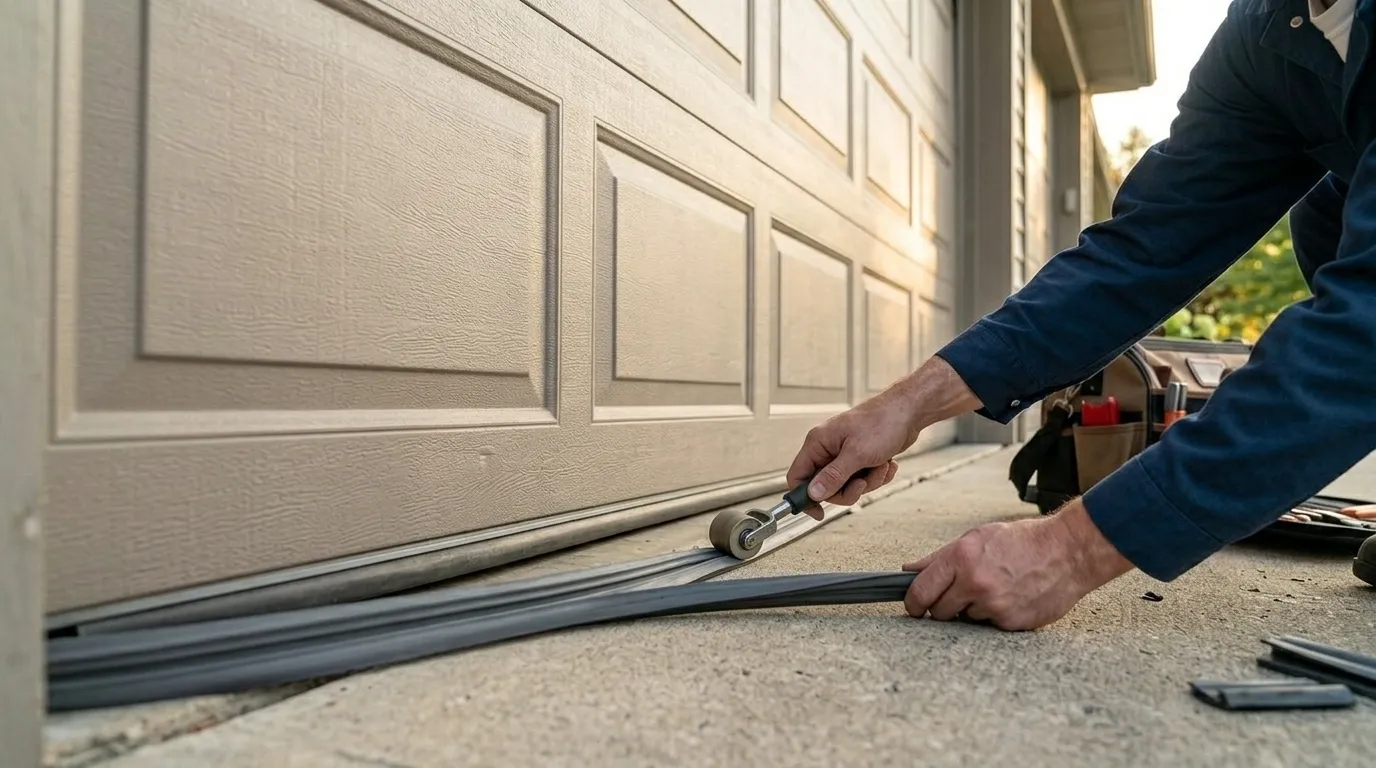
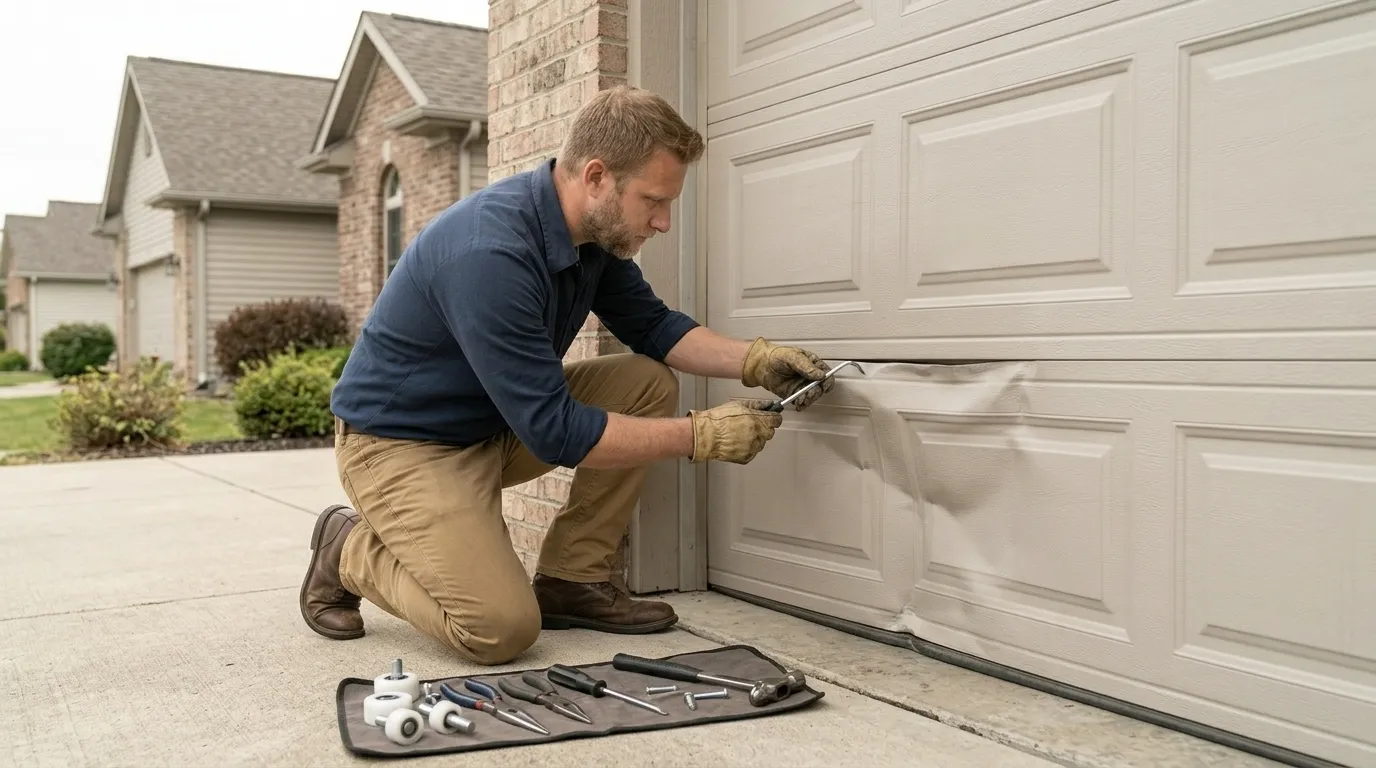
We also see more single-car garages on these older Marshall lots, which means narrower doors and smaller torsion springs - parts that are still made, but not every truck stocks them in every size. Combined with the region's cold climate, steel panels from this era tend to show rust at the bottom weatherstrip retainer first, since the galvanizing on 1980s stock was thinner than what's used now. If your door drags or binds only in winter, that's usually the retainer, not the opener.
What We Will Not Take On
We don't stock parts for openers old enough to predate standard safety-reversal sensors - if your opener is that old, replacement is the honest answer, not a repair visit. We also won't tell you a wood-panel door from this era can be patched invisibly; wood swells and shrinks with Wisconsin's cold-to-thaw swings, and a repaired section will usually look different from the rest of the door within a season.
We don't do same-day emergency dispatch to Marshall as a standing promise. We're a Madison-based shop, and Marshall sits about 19 miles out, so a call here gets scheduled around the day's route rather than treated as a drop-everything trip. If your spring snaps on a Tuesday morning, we'll tell you honestly where you land in the day, not promise an hour we can't hit.
When We Can Get There
Because we run out of Madison, Marshall jobs get grouped with other stops in that direction rather than dispatched on their own. At roughly 19 miles from the shop, it's toward the far end of our regular coverage - closer than Lodi or Sauk City, farther than Cottage Grove or Deerfield - so the truck usually swings through when there's another call nearby, whether that's a spring job in Cottage Grove or a service stop further along toward Deerfield or Marshall itself.
This isn't a knock against Marshall specifically; it's just the math of running one shop across a wide area. If timing matters for your situation - a door stuck open overnight, or one that won't close and locks the house up - say so when you call. We'll give you a straight answer on where that lands in the schedule rather than a number we made up to get off the phone.
What Was Built Here
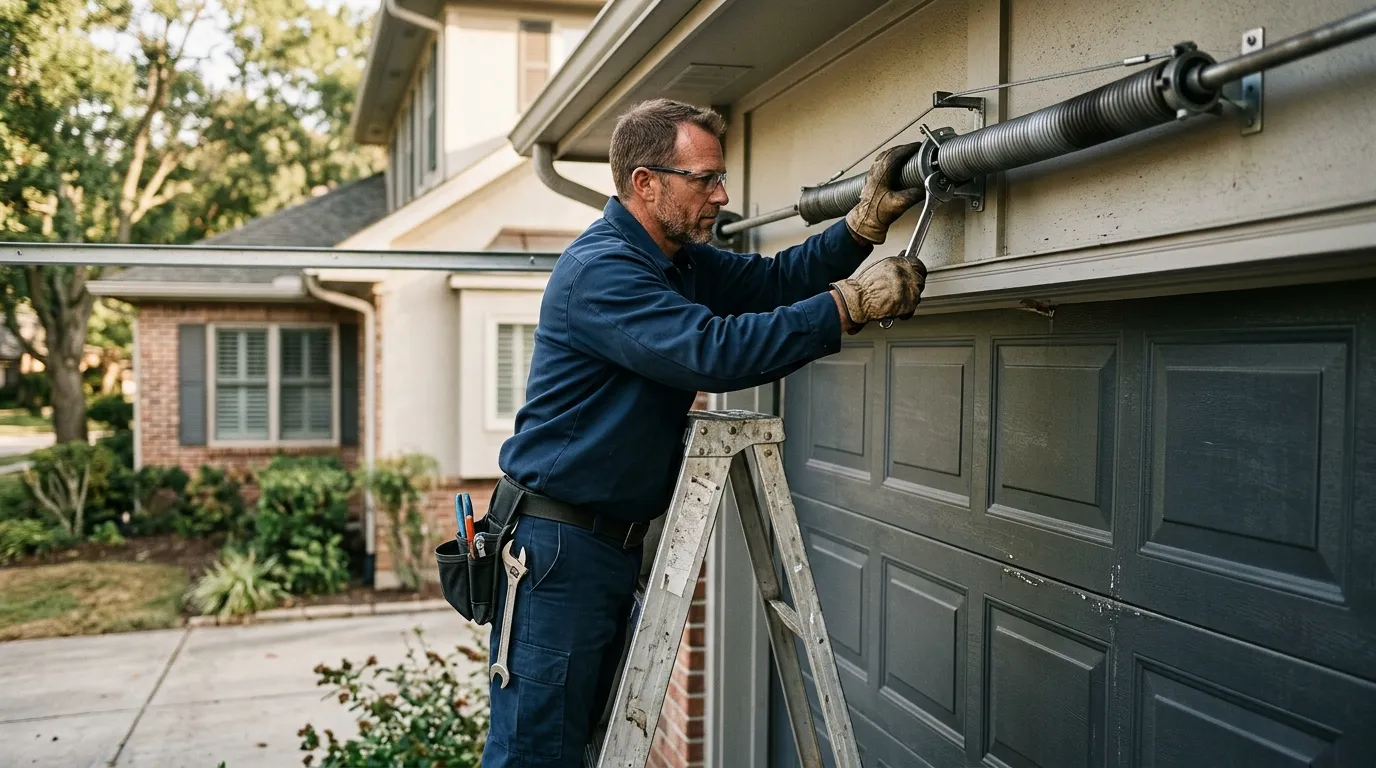
Marshall's roughly 1,427 households sit on the lower end of median income for the towns we cover - around $84,462, well under the wider area's $98,943 median. That's not a comment on the town; it's context for the kind of repair advice that actually helps here. On a door from 1983, a full torsion spring and cable replacement often costs less over ten years than swapping in a mid-grade opener that's overbuilt for a one-car garage. We'd rather size the fix to the door you have than upsell a system built for a different house.
The cold-moderate climate band covering this whole region doesn't spare Marshall's older doors - freeze-thaw cycling is what cracks brittle nylon rollers and stiffens old lift cables, regardless of the town's income level or lot size. What changes town to town is the housing stock sitting under that weather, and here it's an early-'80s build that's now pushing forty winters on its original hardware in a fair number of homes.
How it works
From “it’s stuck” to “it’s fixed”
01
Tell us what’s wrong
Describe the symptom - won’t open, loud bang, opener runs but the door won’t move.
02
On-site diagnosis
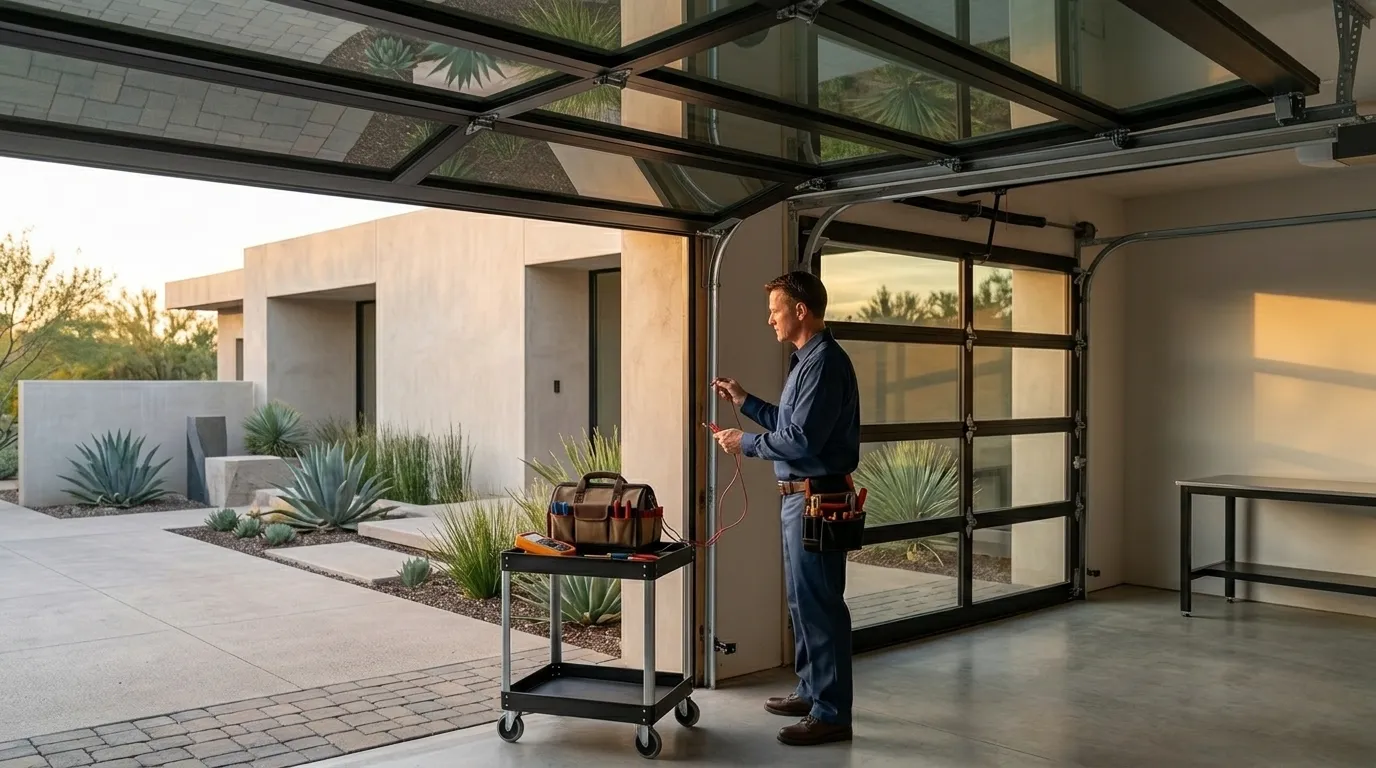
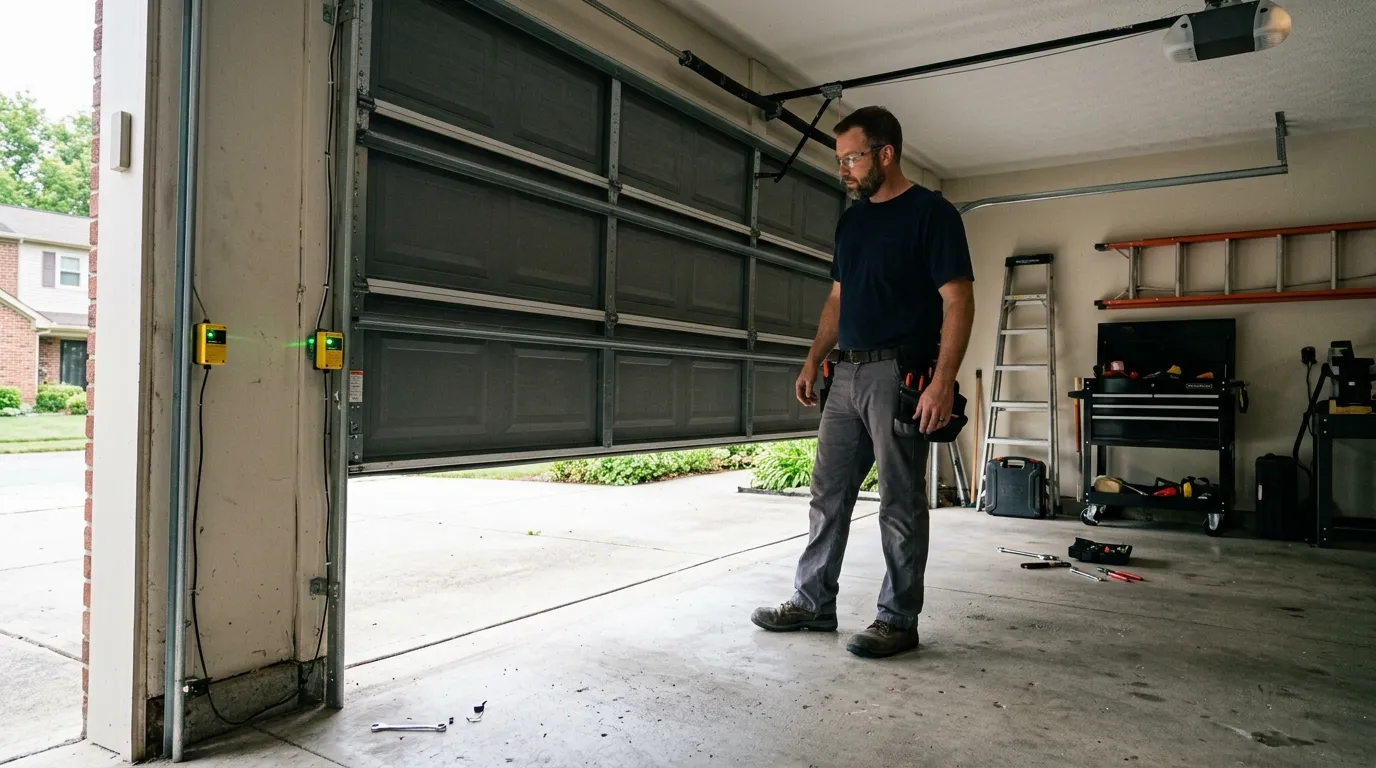
A technician tests the door under power and by hand and finds what actually failed.
03
Clear, up-front plan
You get the fix that’s needed and what drives the cost - before any work starts.
04
Repaired & tested
The repair is done, the door is set true and tested, and the work area left clean.
Serving Madison, WI - tell us what your door’s doing and we’ll take it from there.
Not as a guarantee. We're based in Madison, about 19 miles away, and Marshall calls get worked into the day's route rather than dispatched separately. If it's urgent, tell us when you call and we'll give you a real estimate of timing, not a promise we can't back up.
Why does my 1983 garage door need different parts than my neighbor's newer one?
Doors and openers built around 1983 in Marshall often use lighter-duty chain drives and smaller torsion springs than homes built in the late '80s or '90s. Those parts still exist, but not every size is on every truck, so a repair here can take an extra call to confirm stock.
Is it worth replacing an old wood garage door instead of repairing it?
Often yes. Wood panels from this era swell and shrink with Wisconsin's cold-to-thaw cycle, and a patched section usually looks different from the rest of the door within a year. If the door's structure is sound but the finish is failing, we'll say so rather than push a repair that won't hold up.
Ready to get your garage door sorted?
Tell us what it’s doing and where you are in Madison - we’ll take it from there.