Garage Door Installation Built for Madison's Housing Stock
Most Madison houses date from 1962-2001, so old openers and single-layer doors weren't built for our winters. We install doors sized for the cold band we live in.
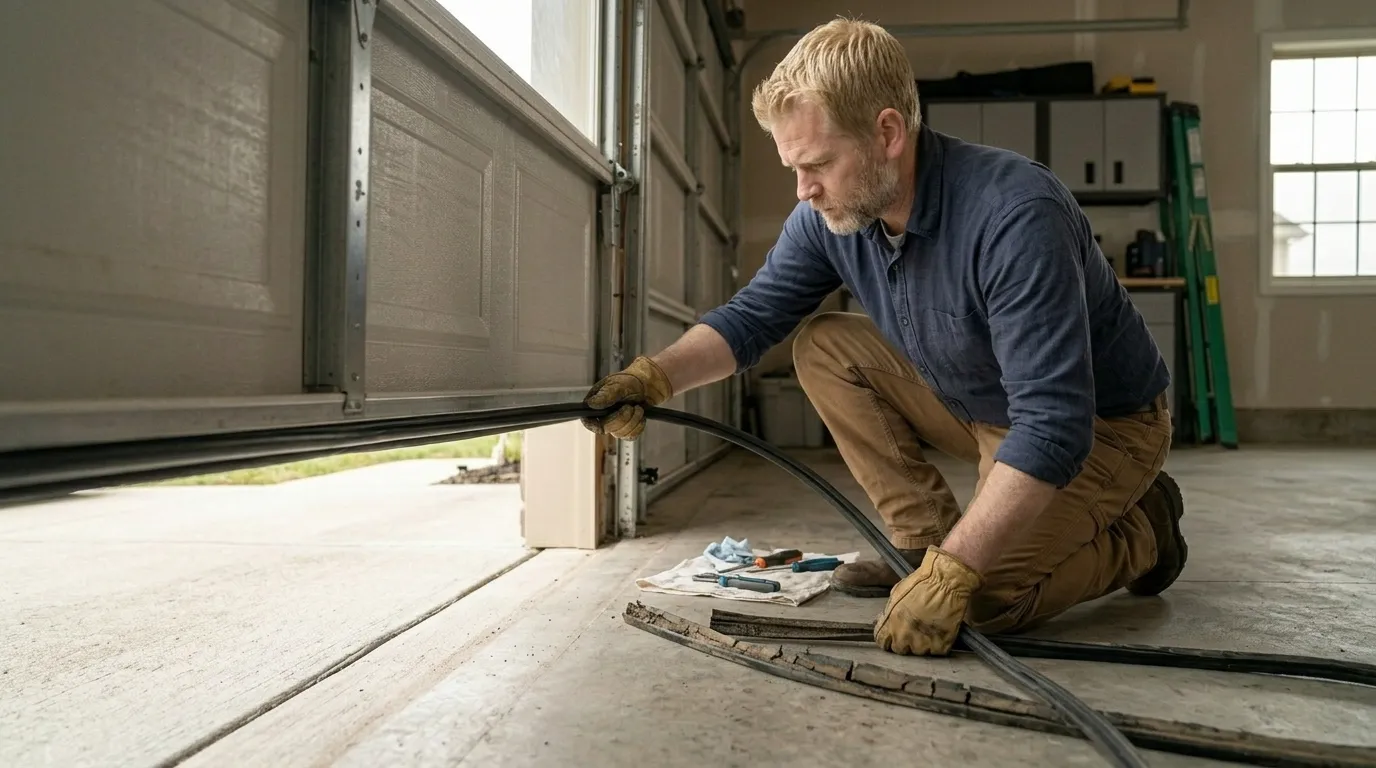
Walk through the 28 named areas we work in and you'll see the same thing: a lot of houses went up between 1962 and 2001, with the median build year sitting around 1986. That means most garages in Madison were framed and doored during a stretch when insulation standards were lower and steel doors were often a single layer of thin metal over a wood or bare frame. Those doors were fine for the winters of that era, but our climate band is classified cold-moderate, and thirty-plus years of freeze-thaw cycling works on hardware in ways a mild climate never would. Track brackets pull loose from studs that have shrunk and swelled for decades. Bottom seals harden and crack. Springs sized for a lighter door from 1986 don't match the R-value expectations homeowners want now. When you're installing new in a house from this era, you're not just hanging a door - you're correcting for whatever the original builder assumed about a Wisconsin winter forty years ago. That's a different job than installing in new construction, and it's why a lot of installs here turn into partial rebuilds of the opening itself.
What Can Go Wrong
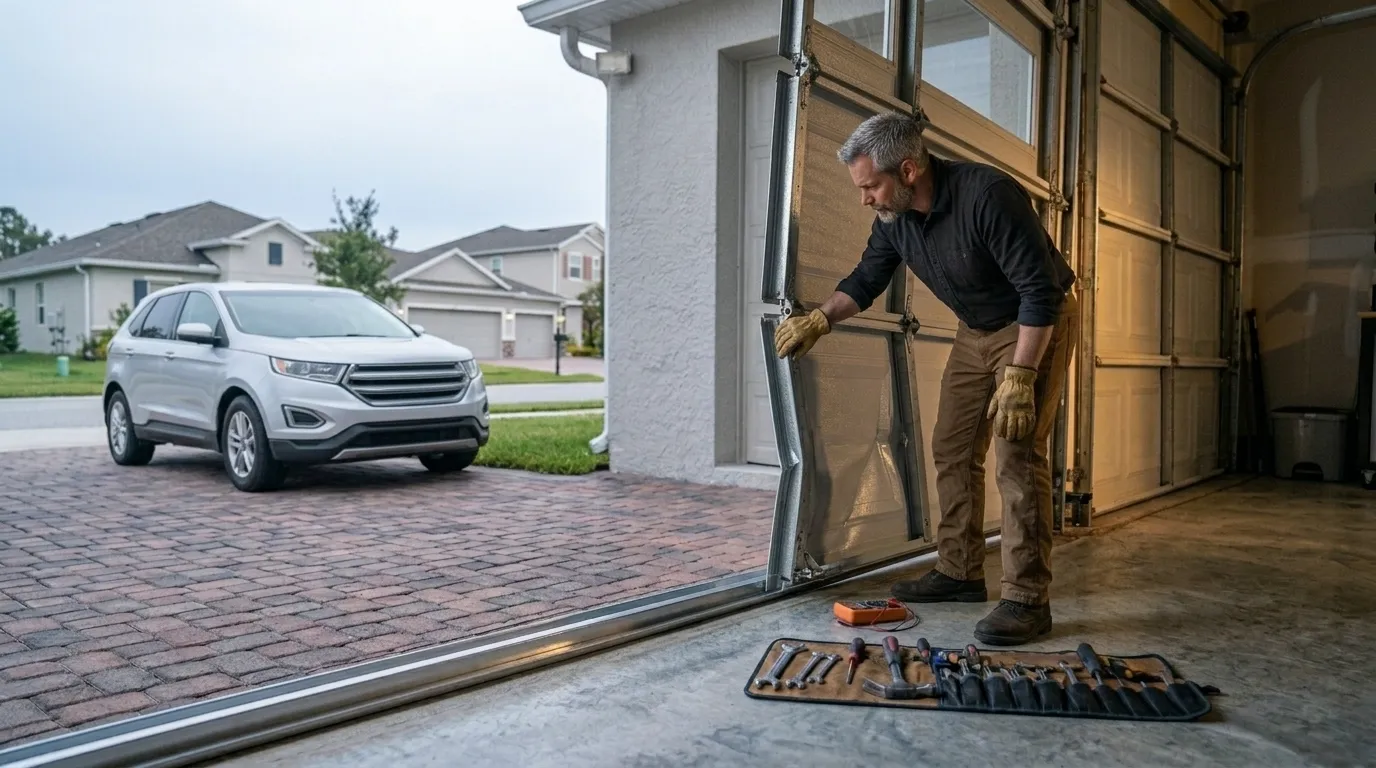
On a house built in the 1962-2001 window, the rough opening itself is often slightly out of square, something that didn't matter with the original door but shows up fast when a new door with tighter tolerances goes in. We also see jamb wood that's compressed or rotted at the base from decades of snowmelt runoff, framing that won't hold new track brackets without added blocking, and electrical for the opener run on an outlet that predates GFCI code. None of this is a knock on the builders - it's just what thirty to sixty years of a cold-moderate climate does to a garage. If we skip the inspection step and just swap doors, you end up with a door that's plumb to itself but not to a settled frame, which shows up as binding, uneven gaps, or a seal that never sits flat. The honest limit here: we don't install over framing that's structurally compromised. If the jamb is rotted through, that's a carpentry fix first, and we'll say so before we touch the door.
How It Shows Up
Homeowners usually call us wanting a straight swap - old door out, new door in - and are surprised when we start asking about the age of the house instead of just the door. If your place falls into that common 1962-2001 stock, expect us to check the header height, the track bracket anchoring, and whether the opener circuit is original. In colder months, an older single-layer door on a house like this will show frost on the inside panel and a visible gap at the bottom seal even when it looks closed. That's not a defect you're imagining - it's the door doing exactly what a door from that build era was designed to do, which is less than what current insulated doors do. When we quote installation, we're pricing the door and the opener, but we're also flagging anything in the opening itself that needs shoring up first so the new door actually seals the way it's supposed to.
How We Fix It
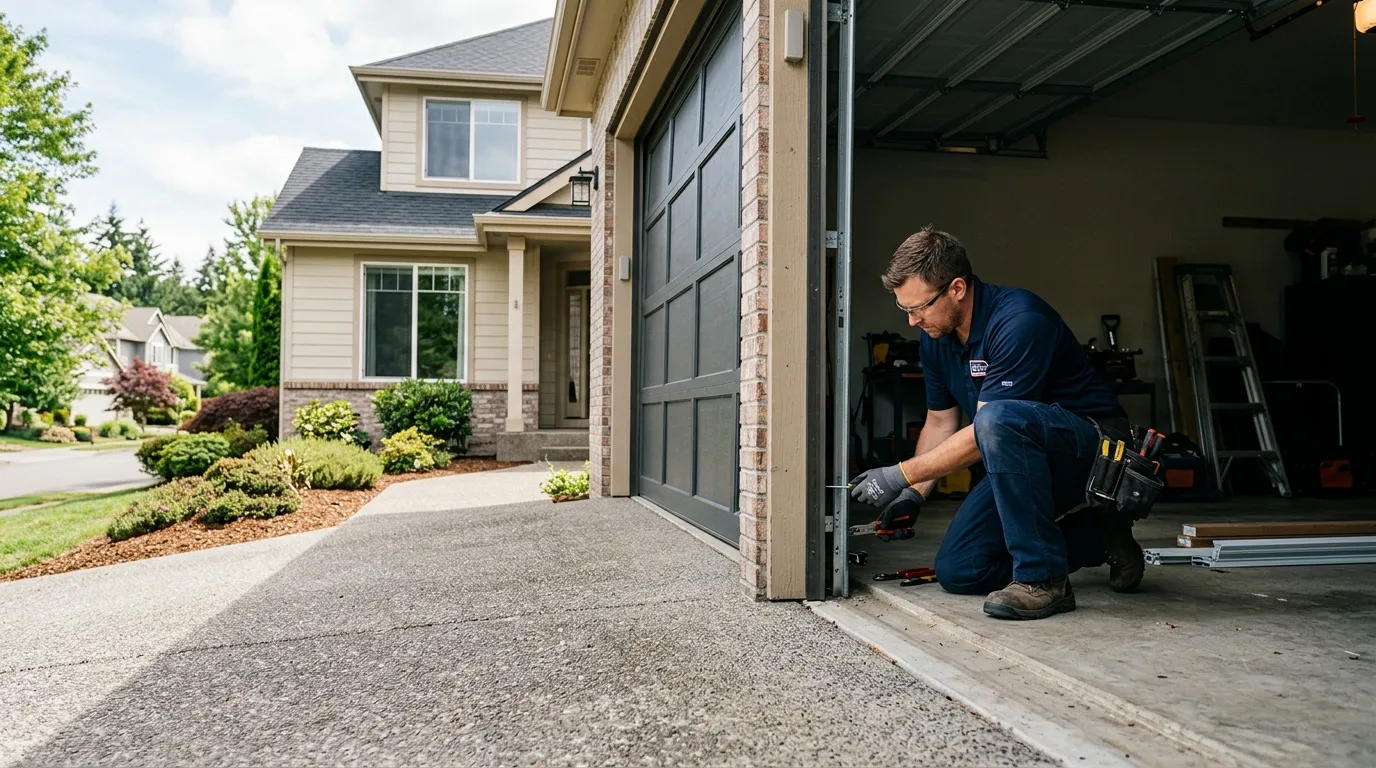
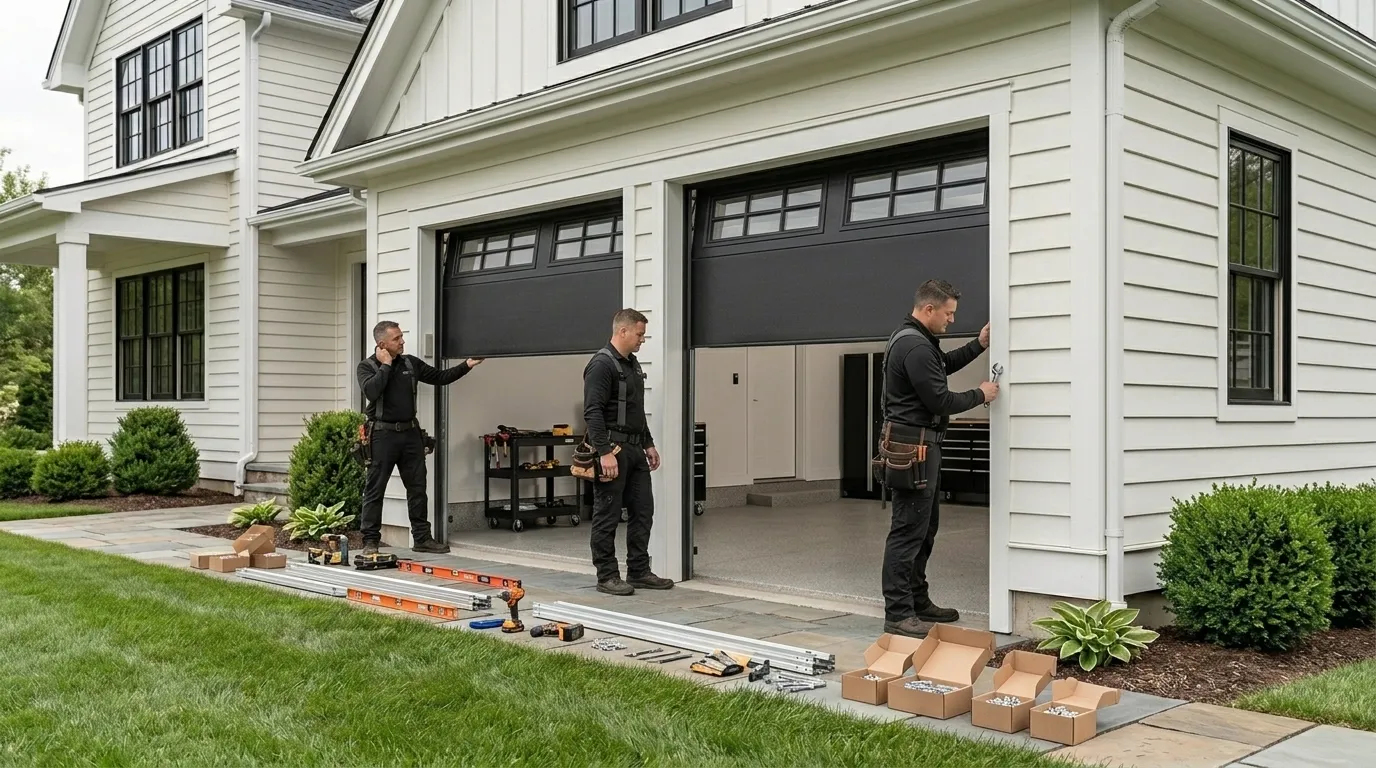
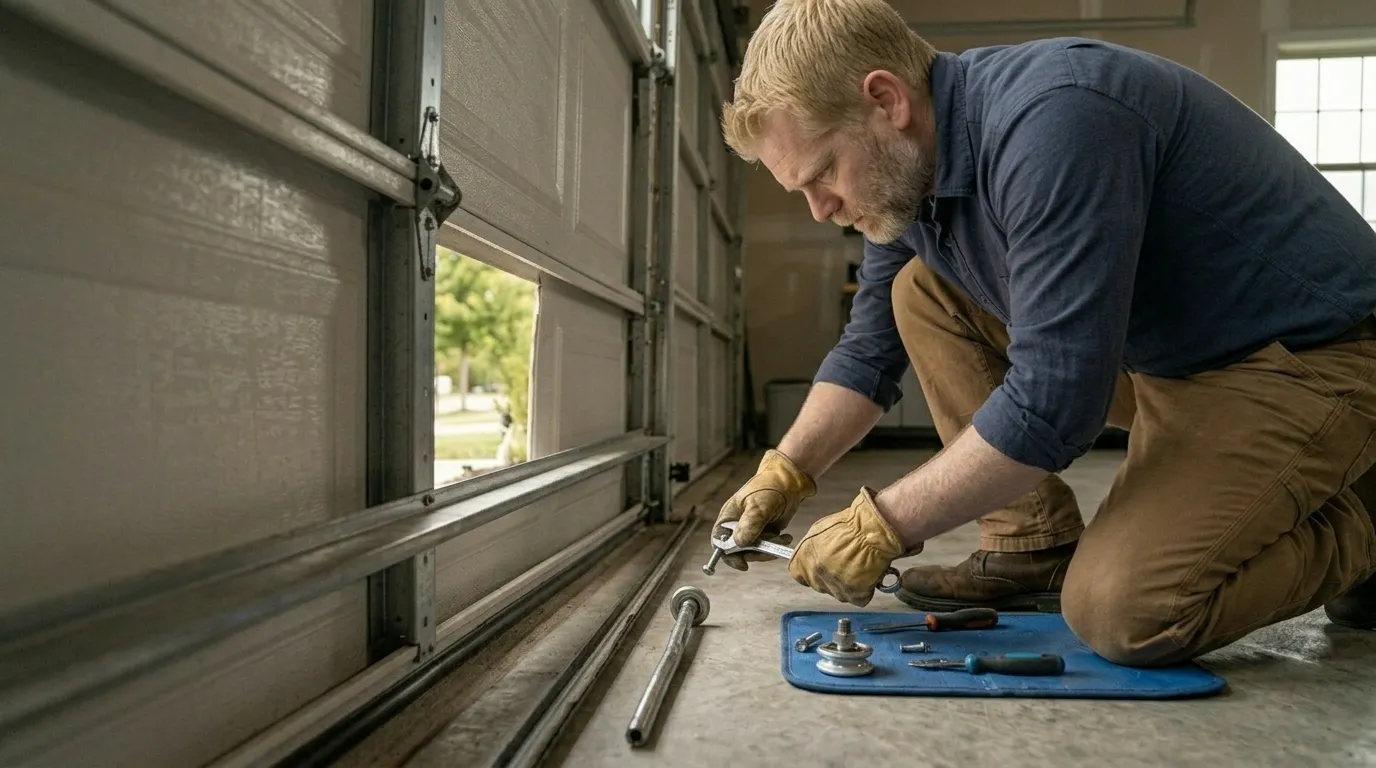
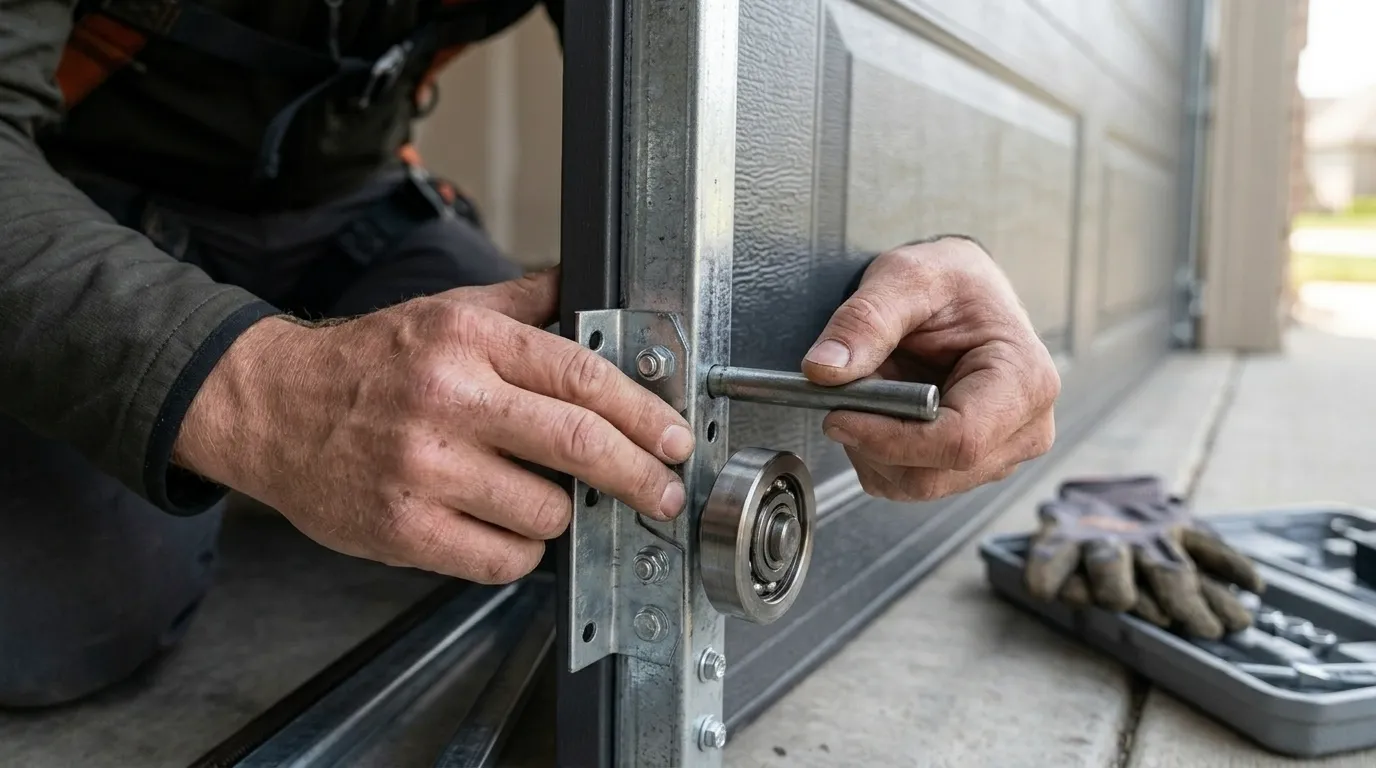
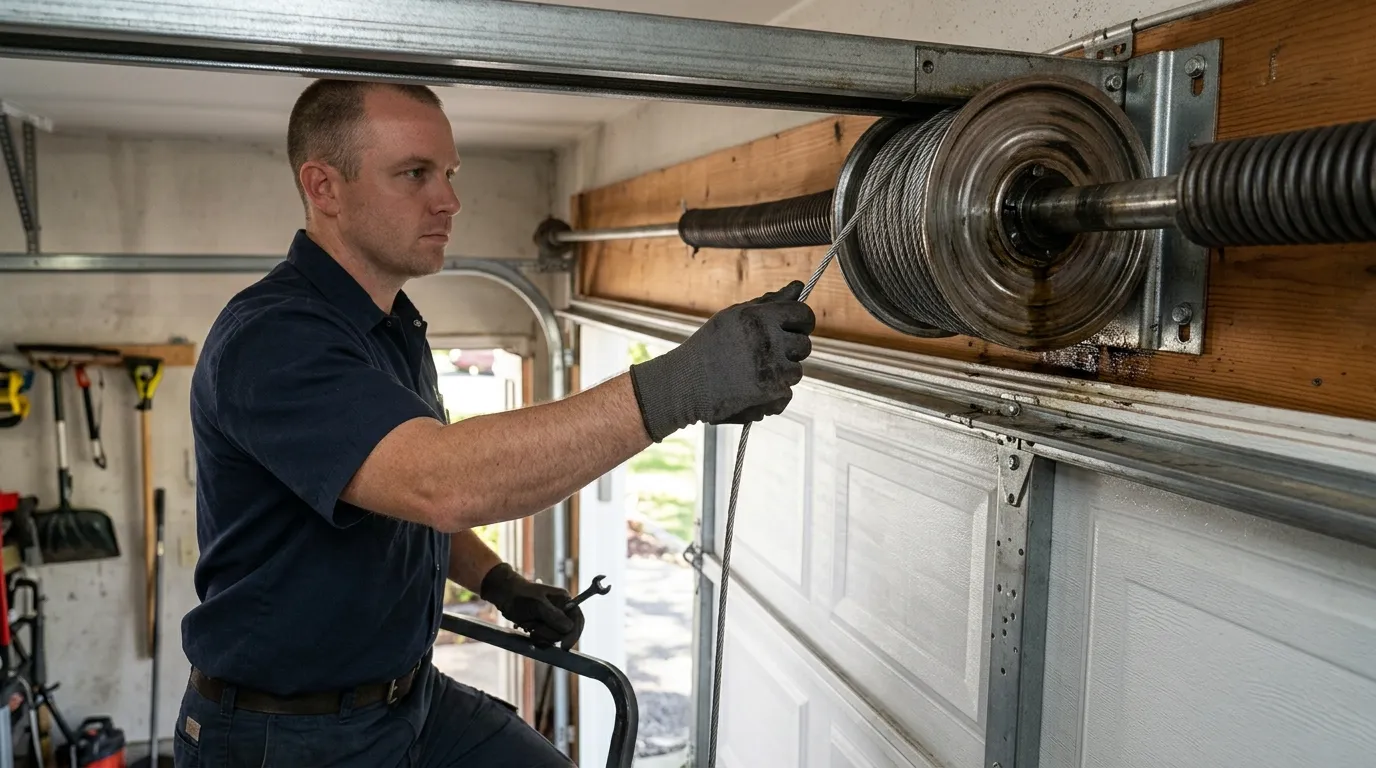
We start with the opening, not the door - checking square, checking the header, checking whether the existing track brackets are anchored into solid framing or into wood that's given up some structure over the decades. Where the jamb needs blocking to hold new hardware, we do that as part of the install rather than forcing a new door onto old anchor points. We size the opener and spring set to the actual door weight, not to whatever was there in 1986, and we set seals with our cold-moderate climate in mind rather than a generic install spec. Median household income across our service area runs around $98,943, and we've found most owners here want a door that's right the first time rather than the cheapest possible swap - a fair trade-off given the age of the housing we're working with. We serve the Madison area including Middleton, Monona, Waunakee, Fitchburg, and the surrounding communities within roughly 20 miles.
How it works
From “it’s stuck” to “it’s fixed”
01
Tell us what’s wrong
Describe the symptom - won’t open, loud bang, opener runs but the door won’t move.
02
On-site diagnosis
A technician tests the door under power and by hand and finds what actually failed.
03
Clear, up-front plan
You get the fix that’s needed and what drives the cost - before any work starts.
04
Repaired & tested
The repair is done, the door is set true and tested, and the work area left clean.
Serving Madison, WI - tell us what your door’s doing and we’ll take it from there.
Will a new garage door fit my old opening without extra work?
Not always. A lot of Madison houses date from 1962-2001, and openings from that era are often slightly out of square or anchored into framing that's shifted over decades. We check the opening before quoting so you're not surprised by extra carpentry once the install starts.
Why does my current door frost up on the inside in winter?
That's typical of the single-layer steel doors common on houses built through the 1980s and 90s here. They weren't built with today's insulation standards, and our cold-moderate climate exposes that gap every winter. A new insulated door and proper seal fix it.
Do you install if the door frame is damaged?
Only if the framing can hold new hardware safely. If the jamb is rotted through or structurally compromised, that's a carpentry repair first - we'll tell you before starting rather than install over a bad frame.
How far do you travel for installs?
We cover the Madison area and nearby communities including Middleton, Monona, Waunakee, Fitchburg, Verona, and McFarland, generally within about 20 miles of the city.
Ready to get your garage door sorted?
Tell us what it’s doing and where you are in Madison - we’ll take it from there.